
Introduction:
A practical opening kit connects the launch menu with tested packaging, approved artwork and stock that is ready before service begins.
Opening teams often order cups, lids, bags and food containers through separate conversations. Each item appears suitable on its own, yet problems surface during the service rehearsal: a lid does not fit, a carrier cannot hold the filled cups securely, or branded bags arrive after the opening date. Resolving these gaps consumes time and working capital.
A coffee shop opening packaging kit should be managed as one procurement project. Start with the menu and service model, confirm the combinations staff will use, then coordinate design, delivery and replenishment. This approach gives the operator a defined specification for launch and a reliable basis for repeat purchasing.
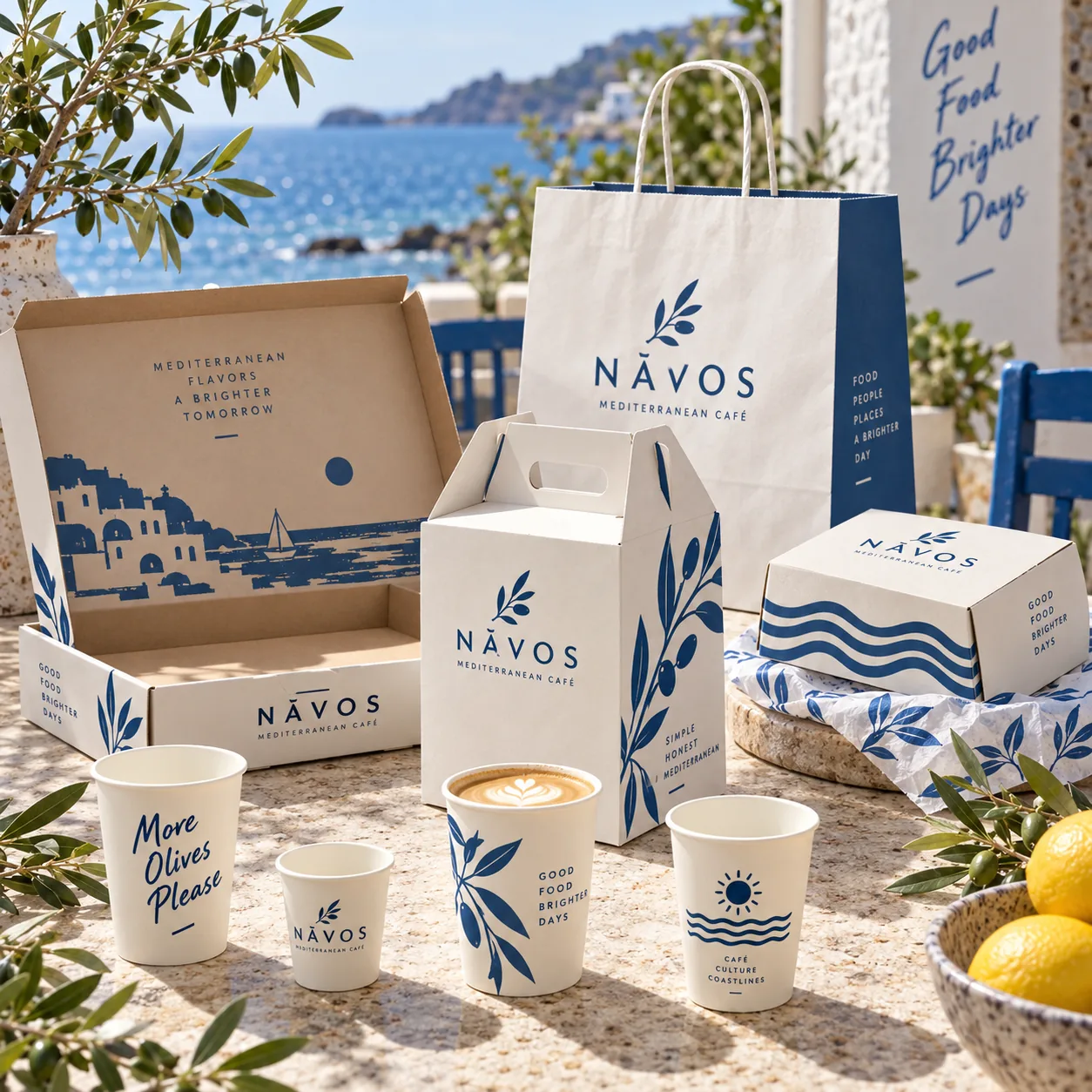
Translate each menu category into a complete serving requirement. Hot takeaway drinks need the selected cup, a compatible lid and any required insulation. Cold drinks need a suitable cup and closure. Multi-drink orders require carriers; food orders need containers or wraps matched to the menu. Add takeaway bags and essential accessories according to actual service. If retail beans are part of the launch, include their bags and labels. Keep merchandise and promotional extras separate until the core service requirements are covered.
For each item, record capacity or dimensions, intended use, estimated consumption and storage requirements. Forecast quantities by the expected mix of products and order types rather than buying equal amounts of every component. A store focused on morning takeaway service will need a different balance from one relying on dine-in drinks and food. AT PACK’s product portfolio covers coffee bags, service packaging and takeaway categories, giving opening teams a starting point for consolidating related requirements in one brief.
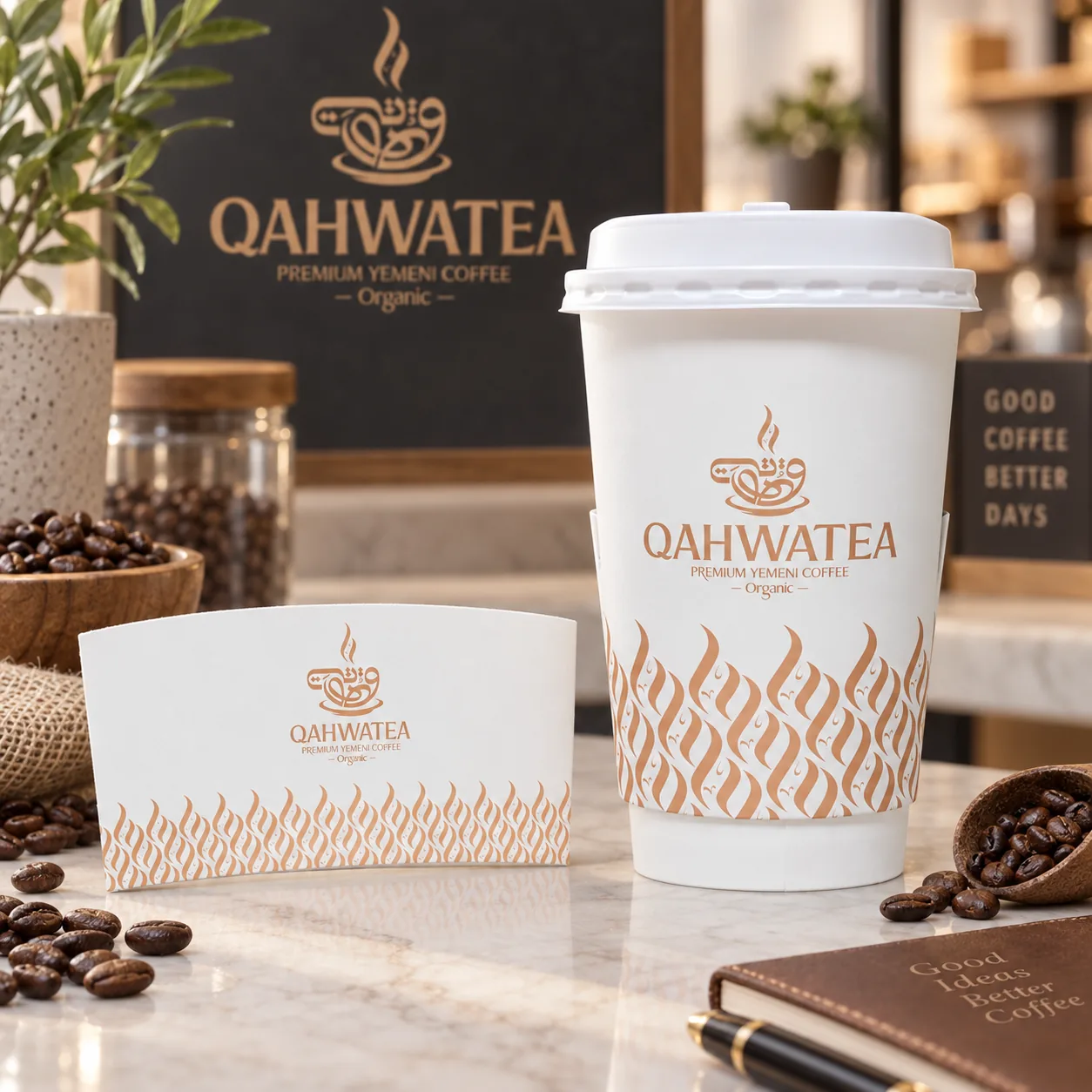
Treat compatibility as a sample-approval task. Fill the proposed cups with representative drinks, fit the lids and check handling under intended serving conditions. Test sleeves where used, place filled cups into carriers and check the complete order inside the selected bag. For food, verify container dimensions, closure and performance with the actual product. Ask staff to assemble common orders during a service rehearsal and record any handling issue.
AT PACK’s paper cup range supports discussion of cup construction, capacity and compatible lid options. Its paper bag range allows requirements such as dimensions, handles and printing to be specified together. Reviewing these items as a connected order can help identify mismatches before bulk purchasing. Request food-contact documentation relevant to the selected products and destination. The FDA’s component guidance explains why intended use and material composition matter; a general food-grade statement should be supported by appropriate evidence.
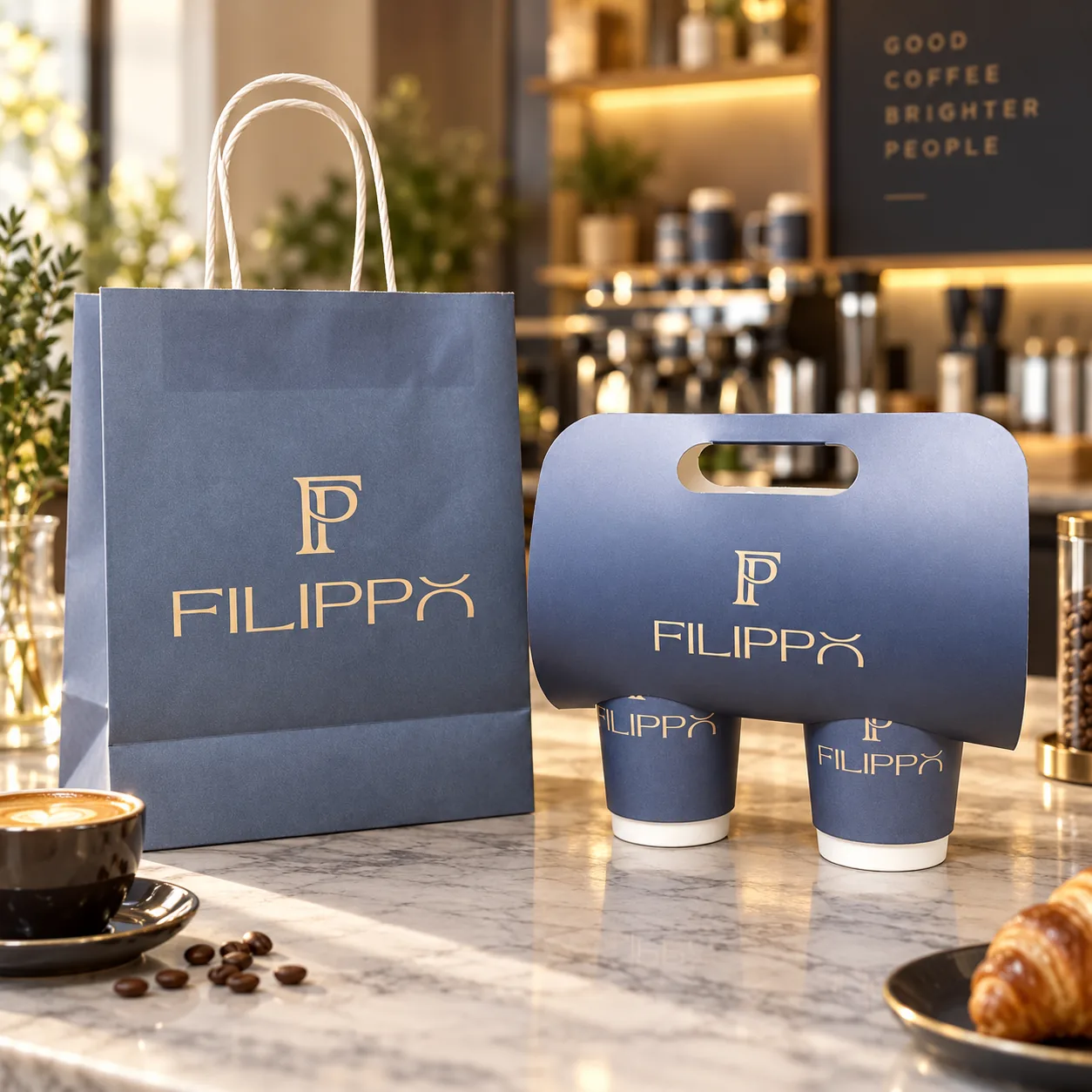
Prioritize branding on packaging used regularly at handover, then extend it to secondary items as the launch budget allows. Keep variable details, such as temporary offers or changing coffee information, out of long-lived base artwork where practical. AT PACK’s brand identity services cover logo use, colour systems, typography and packaging applications. Linking this design work with product selection gives the team a shared reference when approving cups, bags and other launch items, while reducing repeated explanations across separate artwork briefs.
Work backward from the date packaging must be available for staff training and service trials. Confirm each item’s artwork status, sample approval, order quantity, production conditions and delivery milestone. Coordinate the kit around dependencies: cups arriving on time do not solve a lid shortage. Where items have different schedules, agree whether split delivery is appropriate and which essentials must arrive together. Reserve time for receiving checks before opening.
AT PACK combines multiple packaging categories with supply chain services, providing a basis for discussing a coordinated sourcing and delivery plan. Its one-stop advantage is the opportunity to align related products, design requirements and supply arrangements through a common project brief. Confirm availability, minimum quantities, lead times and shipment arrangements for each component. At receipt, count by item code, inspect against approved samples and label storage locations. Establish reorder points from expected use over the full replenishment period plus an appropriate reserve, then update the forecast using actual opening-week consumption.
Conclusion:
A coffee shop opening packaging kit is complete when essential menu items have compatible packaging, approved branding and sufficient usable stock. Preserve the final specifications, physical references and reorder information so the opening purchase becomes the basis for ongoing supply.
Share the launch menu, forecast quantities, brand files, destination and required arrival date with AT PACK to request a coordinated packaging proposal.
Q: What should be included in the opening kit?
A: Include the packaging required for the launch menu: drink cups and closures, relevant sleeves and carriers, food packaging, takeaway bags and essential accessories. Add retail coffee packaging if beans will be sold.
Q: Should every item be custom printed before opening?
A: Prioritize frequently used items and confirm quantities, cost and timing. Secondary products can follow when the operating requirements are established.
Q: What is the main benefit of one-stop sourcing?
A: It provides a common point for coordinating product requirements, artwork and supply planning. Each component still needs its own confirmed specification and acceptance checks.
U.S. FDA — Food-Contact Material Components and Intended Use
