
Introduction:
A practical way to specify, sample and reorder clear branded cold cups so the cup, lid and print perform together in real iced-drink service.
A café approves a clear cup from a photo, prints its logo and launches a summer menu. Within weeks, staff report lids that pop off when cups are squeezed, a print that scuffs where wet hands grip the cup, and dome lids that sit unevenly on the larger size. When the next order is due, three supplier quotes describe thickness, printing and lids so differently that they cannot be compared.
Custom PET cups with logo work well when they are bought as a system rather than as a single item. This guide covers how to match cup sizes to the menu and lids, what to confirm about material and documentation, how to approve printing under real cold-service conditions, and how to plan quantities and replenishment with related packaging.
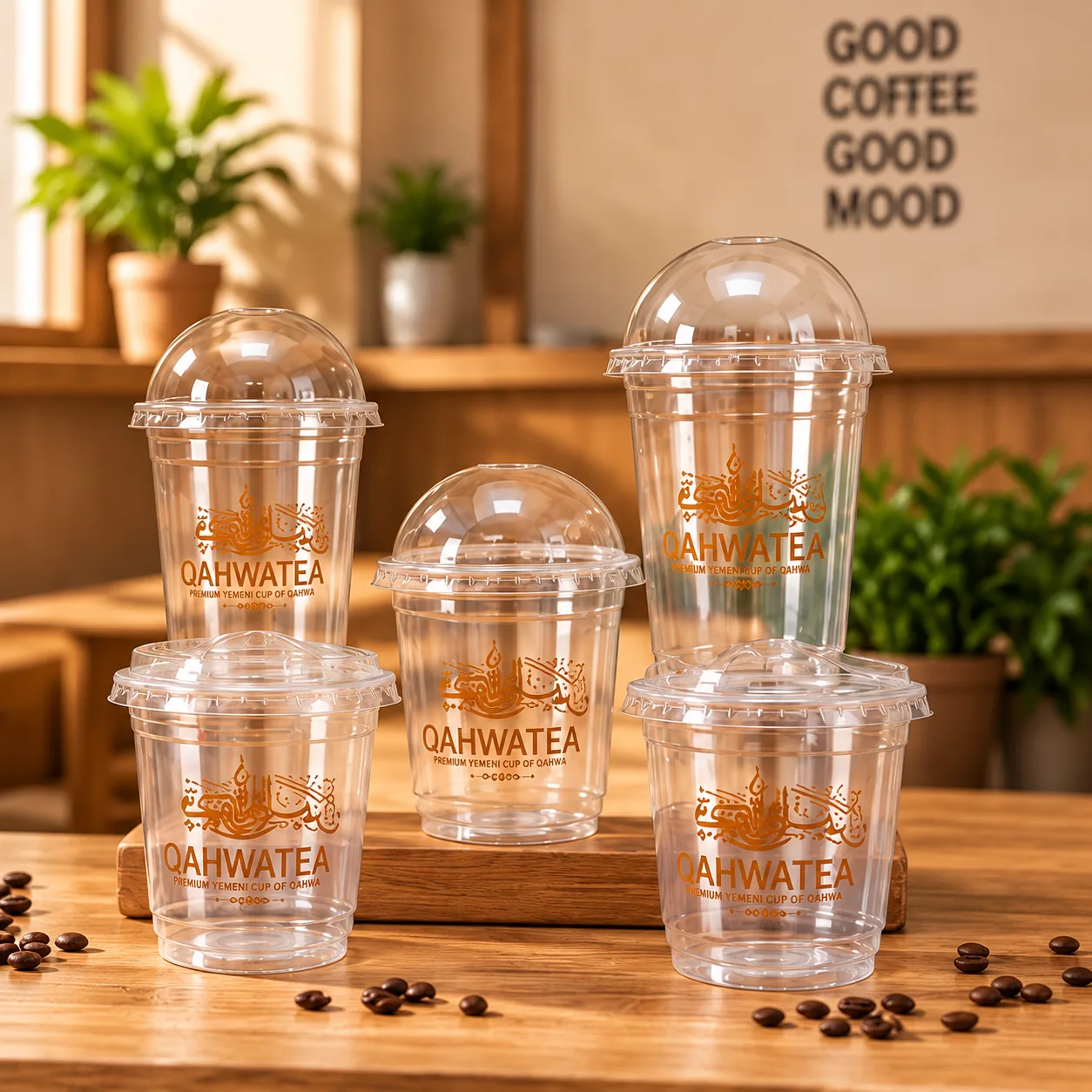
List each iced item with its serving volume, ice ratio and toppings. An iced latte, a cold brew with cream foam and a fruit tea with pearls need different headspace, straw widths and lid shapes. Translate this into a short range of capacities so the team stocks fewer cup and lid combinations, then decide which drinks need a flat lid for a straw, a dome lid for whipped toppings or a strawless sip lid.
Fit is controlled by rim diameter and the lid design, not by ounce size alone. Two 16 oz cups from different moulds can carry different rims, so ask for the rim diameter, height and base diameter of every size and confirm which lids are designed for each cup. The public page for AT PACK’s clear PET cups with logo lists sizes from 12 oz to 32 oz plus 500 ml and 650 ml, with flat, dome and strawless lid options; the cold cups collection notes that lid and straw compatibility should be confirmed by cup size and design. Test lids on filled cups by tilting and squeezing them as customers would.
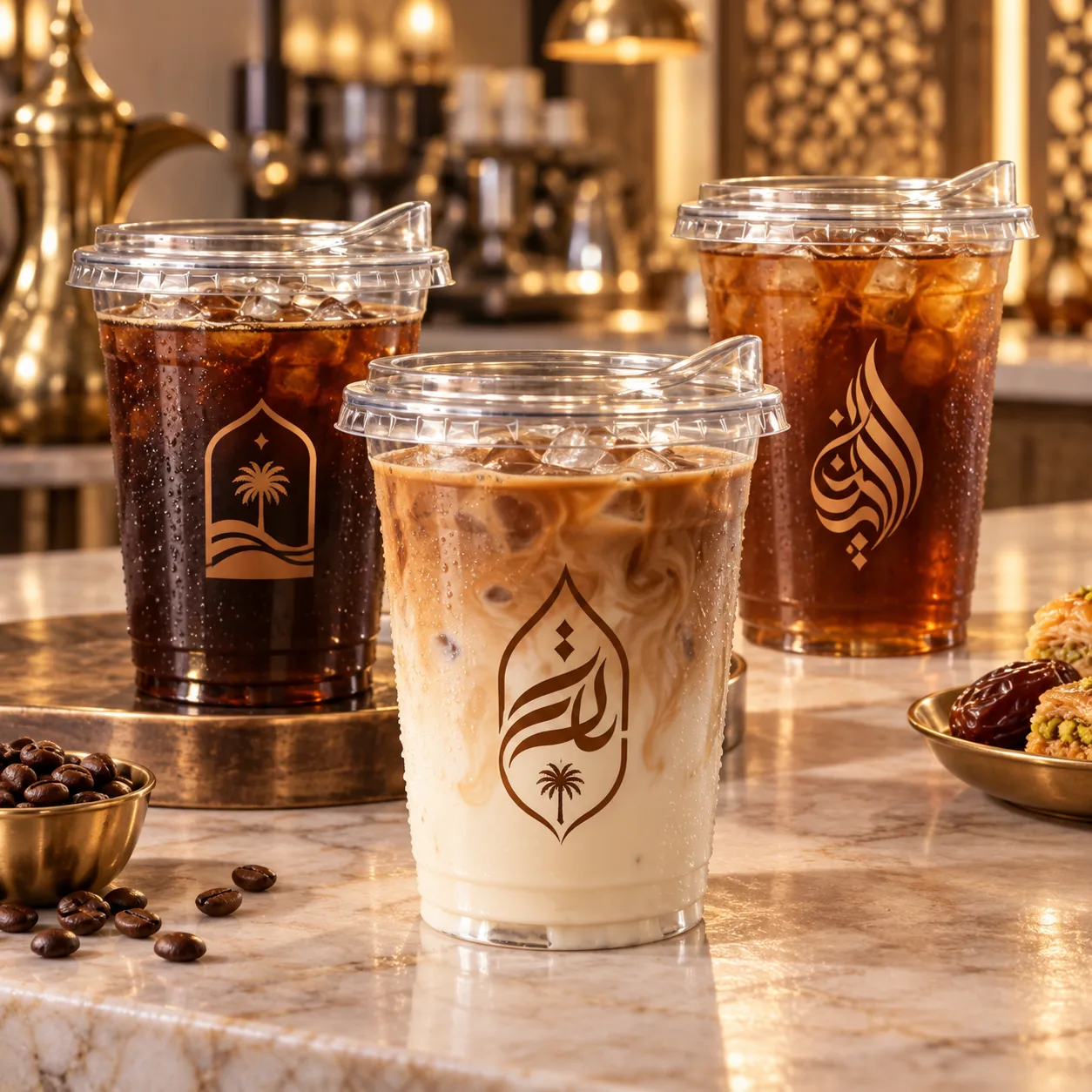
PET is widely chosen for cold drinks because of its clarity, which lets layered beverages show through the cup. PP cold cups are another common option in the industry and are often discussed when a wider temperature range matters; AT PACK’s product page states that both PET and PP options are offered. The choice should follow the menu, the destination market and the preferred look.
Wall thickness affects rigidity, the feel in the hand and cost. The PET product page states a thickness range of 0.3 mm to 0.5 mm, customizable, so ask each supplier to quote the same thickness and cup weight for each size. Request food-contact documentation that matches the specific cup, ink and intended use. The FDA explains that the regulatory status of a food-contact material depends on its components and their intended use, and that buyers may ask the manufacturer for a letter of guaranty. For recycling messages, PET carries resin code 1, but the EPA notes that the resin symbol does not mean an item is collected locally, so any claim on the cup should reflect the destination market.
A clear cup changes how artwork reads. Light colours can disappear against pale drinks, while fine lines may break up on a curved, tapered wall. Check the logo against dark coffee, milky drinks and bright fruit teas, and consider a white underlayer, bolder outline or frosted area for legibility. Agree on Pantone references and the number of colours before artwork is finalised.
AT PACK’s PET cup page lists silk screen printing and heat transfer printing, up to six colours, with clear, frosted or matte finishes. Rather than approving from a digital mock-up, fill a printed sample with ice and a typical drink, leave it to sweat for the normal handover time and rub the print with damp fingers. Check the seam, colour against the brand reference and whether condensation affects grip. Keep the approved sample as the production reference.
Quotes become comparable when every supplier prices the same specification: size, rim diameter, thickness, print method, number of colours, finish, lid type and packing per carton. The PET cup page states an MOQ of 1,000 pieces; confirm in the quotation how that applies to each size, design and lid, and whether stock or custom samples are needed first. Carton volume for nested cups and domed lids also affects landed cost.
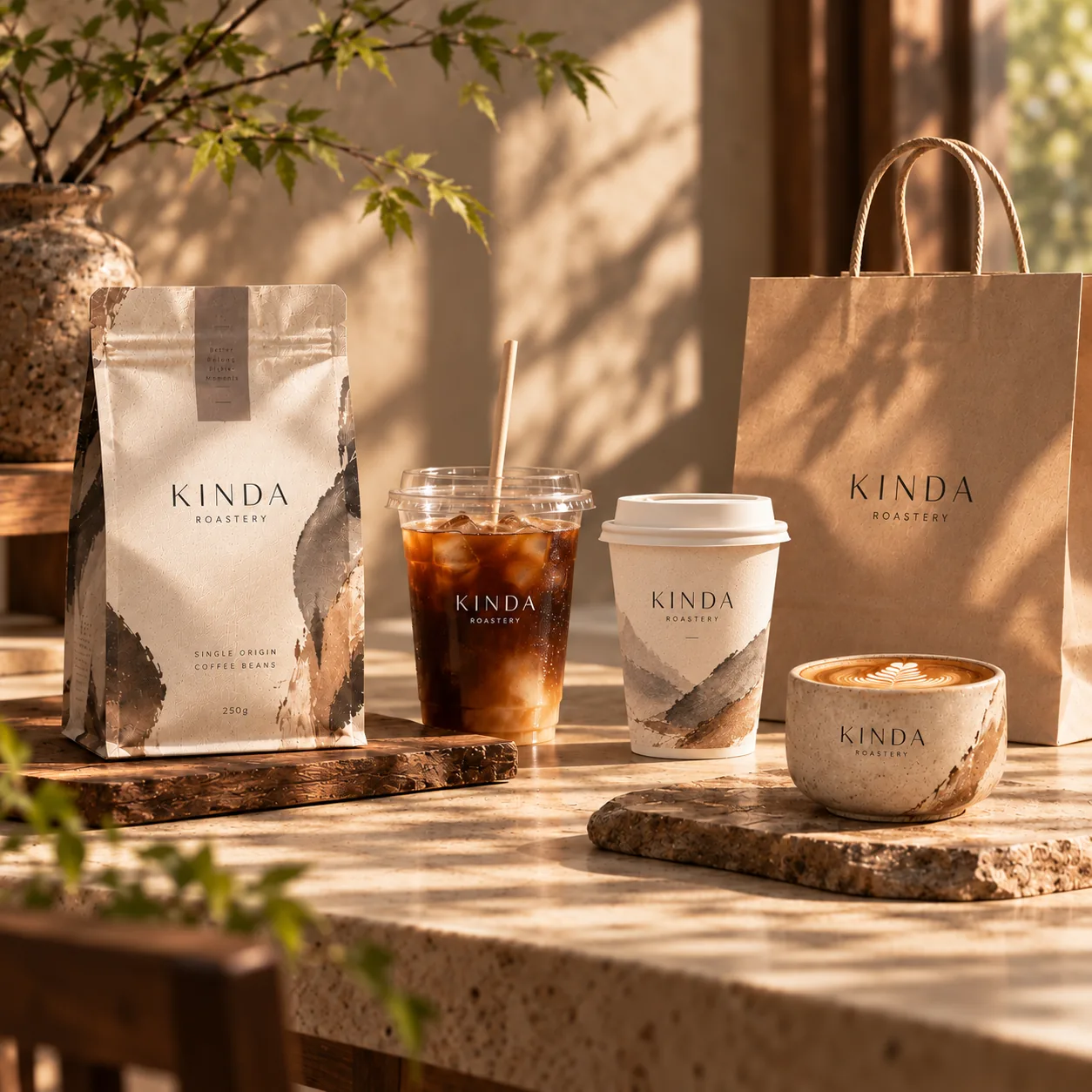
Iced drinks rarely leave the counter in a cup alone. Lids, straws, cup carriers and takeaway paper bags all need to fit the chosen cup. AT PACK’s brand identity service can help apply one logo standard across these items, while its supply chain service gives a basis for coordinating orders and deliveries. Each item still needs its own confirmed specification, quantity and schedule. Set reorder points based on peak-season usage and the full replenishment cycle, not average weekly sales.
Conclusion:
Custom PET cups with logo perform best when size, rim, lid, material, print and supply plan are confirmed together and checked on a filled, chilled sample. A written specification makes quotes comparable and keeps repeat orders consistent.
To request a proposal, share your cup sizes, lid and straw needs, artwork, quantities by design, destination and required timing with AT PACK.
Q: Which cup sizes should a coffee shop order first?
A: Start with the sizes that cover most iced drinks, often two or three capacities, and confirm a compatible lid for each before adding specialty sizes.
Q: How do I prevent the printed logo from wearing off?
A: Approve the print on a filled, chilled sample, rub it with damp fingers and keep that sample as the reference for production.
Q: Are PET cups recyclable everywhere?
A: No. PET is resin code 1, but local acceptance varies. Check the rules in each market before printing any recycling claim.
U.S. FDA — Determining the Regulatory Status of Components of a Food Contact Material
U.S. EPA — How Do I Recycle Common Recyclables
AT PACK — Custom Printed Clear PET Cups with Logo
