
Introduction:
Specify the cup, artwork and order pattern together, then compare printing proposals against an agreed physical result.
A logo looks correct in a design file but appears dull on the delivered cup. Another supplier offers a lower unit price, yet the quotation excludes setup charges and requires more stock than the café can use. These problems arise when buyers approve a printing proposal without connecting the process to the cup and purchasing plan.
For businesses ordering coffee cups with logo, the right method depends on material, design requirements and the expected order pattern. This guide focuses on takeaway paper cups. Confirm the construction first, compare suitable processes and approve representative samples before committing to production.
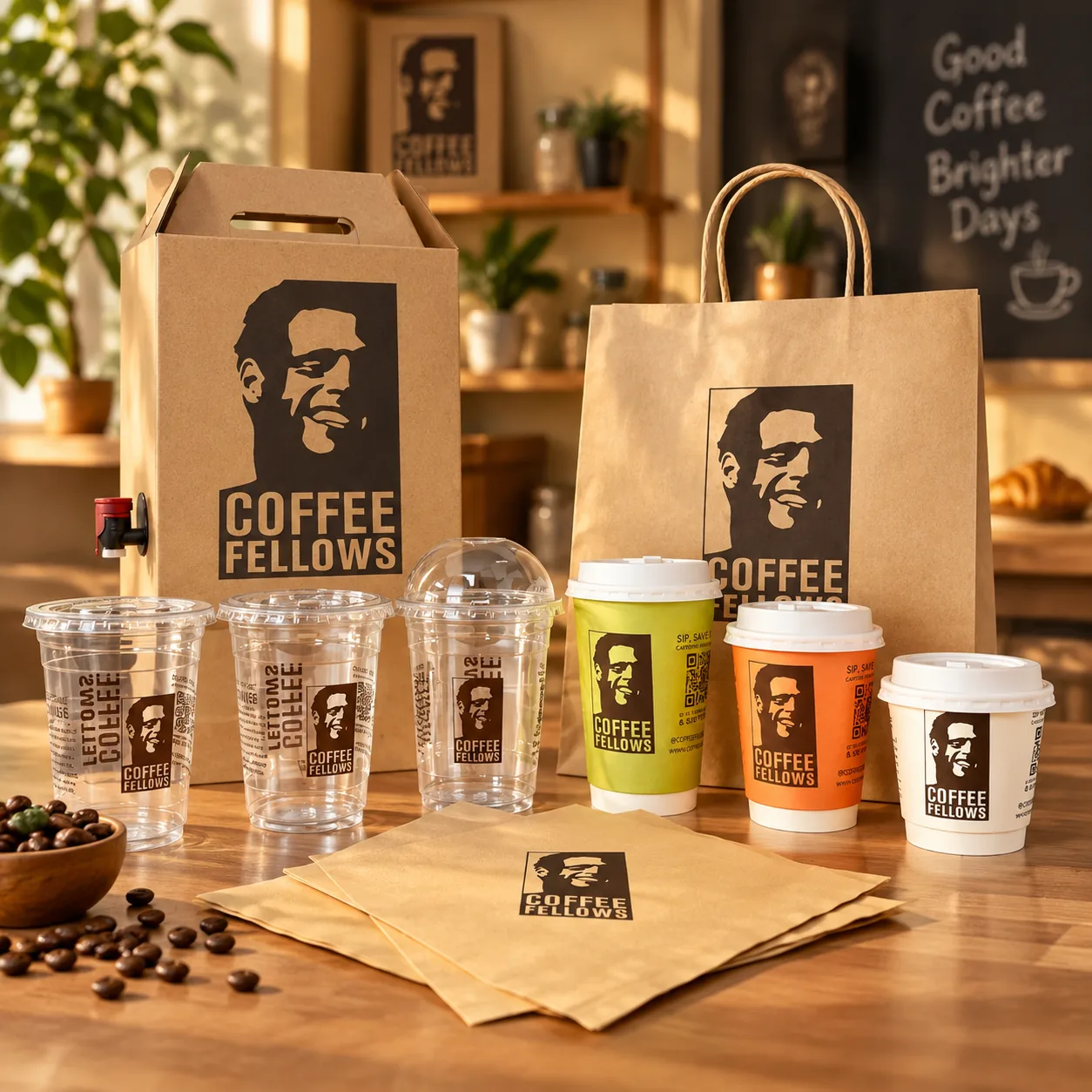
Confirm whether the design will appear on a single-wall cup body or the outer layer of a double-wall cup. Identify the printable surface, its colour and finish, and whether printing takes place before cup forming. Different surfaces and workflows can change colour reproduction and available decoration options. A sample from another cup construction may show a design concept without representing the proposed production result.
Next, describe what the artwork must reproduce: a simple logo, solid brand colours, fine text, gradients or a full-wrap image. Separate the printing process from the colour specification. CMYK describes a four-colour reproduction system; a spot colour is specified separately; neither identifies the press technology. AT PACK’s custom paper cup listing describes logo and full-colour customization. Use it to begin the brief, then request confirmation of the actual process for the selected configuration.
Flexographic printing uses relief plates and is worth discussing for established designs and repeat production. Offset printing transfers the image through a blanket and is another option for paperboard artwork, including detailed graphics. Neither should be selected solely from a general quality ranking. Ask the converter to assess the substrate, image detail, colour requirements and quantity. Metsä Board’s cupstock information identifies offset and flexographic compatibility for that specific board, illustrating why material suitability belongs in the decision.
Digital printing can be considered where the qualified workflow supports shorter runs or frequent artwork changes. HEIDELBERG’s digital production discussion addresses flexible production of short runs and personalized products; it does not establish suitability for every cup. Confirm that the proposed material, inks and subsequent forming process are supported. These are industry options, not a statement that AT PACK offers every process. Request the available route and a quotation for the specific cup.
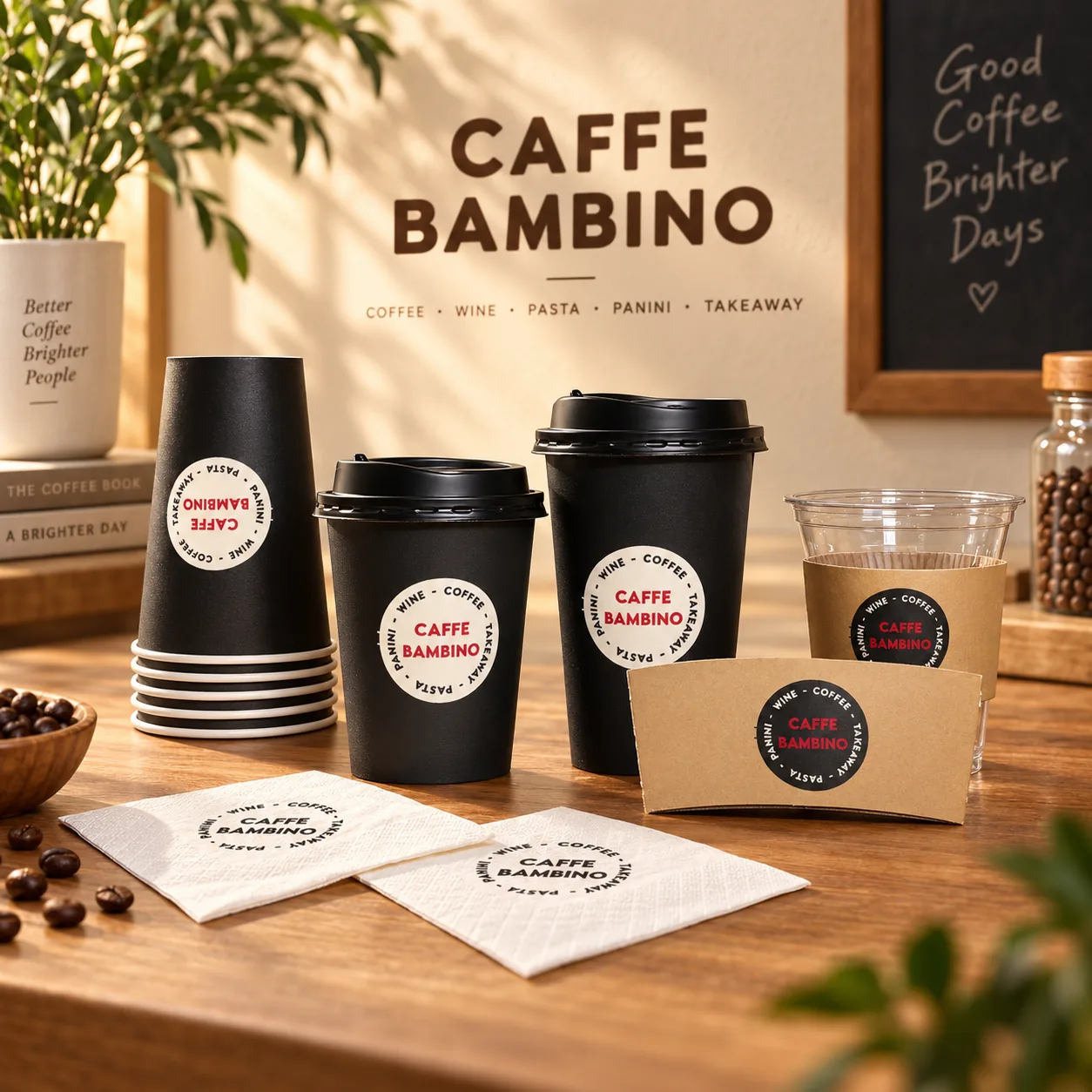
Use the supplier’s production template to position the logo, text and seam clearances. A cup is tapered, so approval should include how the artwork reads after forming. Adobe’s guidance on marks and bleeds explains the role of artwork extending beyond a cutting boundary. Follow the converter’s actual requirements. Agree the reference for critical colours and clarify what a digital proof approves. Screen appearance alone is not a physical colour standard.
Review a sample representative of the material, process and final surface. Check colour, small-text legibility, registration and appearance around the seam, together with rubbing or handling checks appropriate to service. If the sample differs from planned production, record the remaining approval steps. Request documentation supporting the construction and intended food-contact use; the FDA’s component guidance provides relevant context. AT PACK’s brand identity services can support shared logo, colour and typography references across cups, sleeves and bags, helping the team review a coordinated brand system.
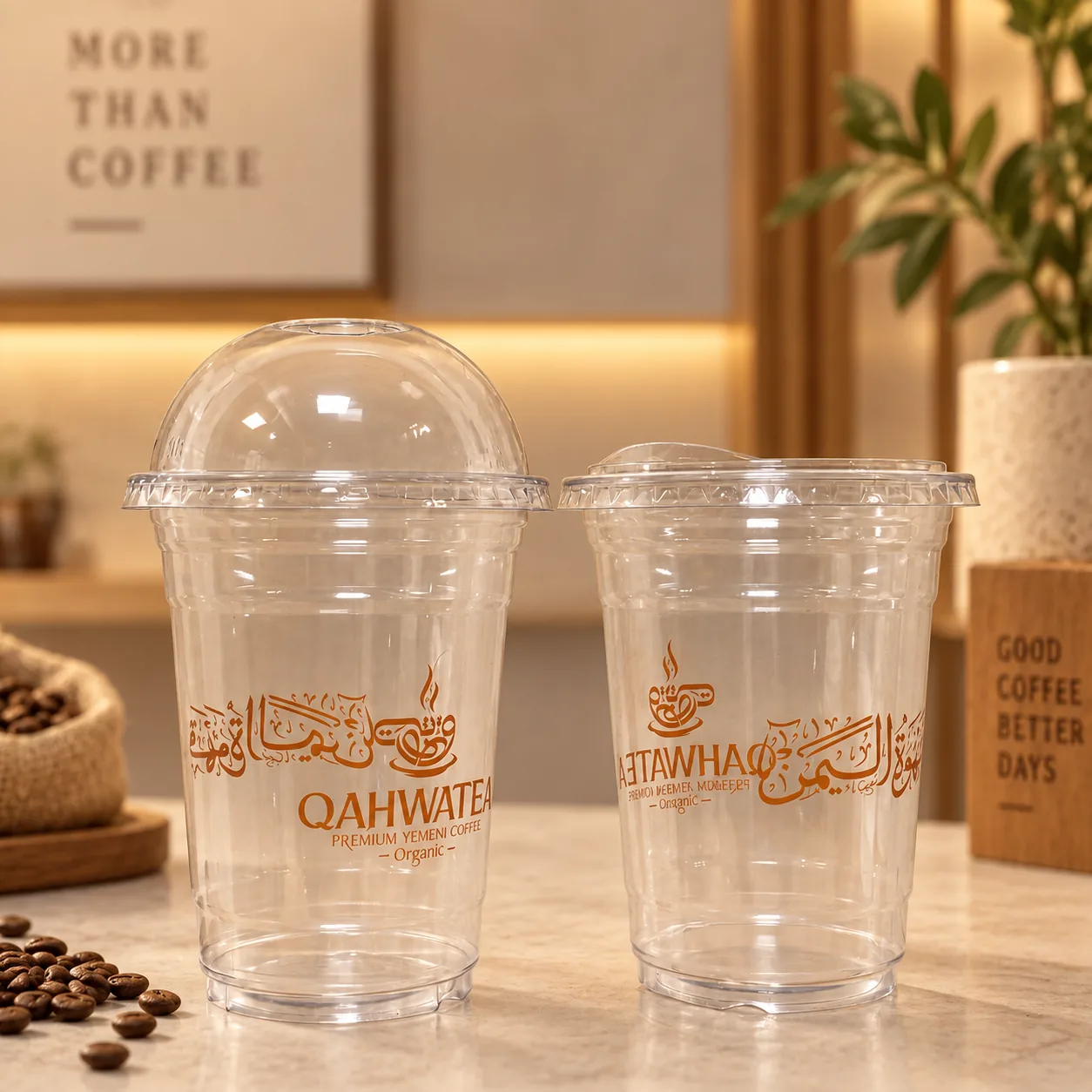
Compare quotations using the same cup specification, artwork versions, quantities and approval requirements. Separate recurring unit cost from plates, setup, samples and any additional finishes. Ask how a revised logo, another size or a new campaign changes those costs. Confirm minimum quantities per design and size, production timing and the extent to which existing print references or tooling can be reused. A lower unit price needs to be evaluated alongside storage, unused stock and the expected life of the design.
AT PACK’s one-stop packaging approach provides a common brief for cups and related service packaging, with supply chain coordination available for discussion. This can help align design decisions and delivery planning across connected items. Confirm the scope for each project rather than assuming every component has the same schedule. Retain the final artwork version, cup specification and approved colour sample. Agree that relevant material or process changes are reviewed before the next run, so a repeat order has a clear acceptance reference.
Conclusion:
The right printing method for coffee cups with logo is the one that meets the agreed visual, material and commercial requirements through a suitable production route. Define the cup first, compare confirmed options and approve a representative physical result.
Send AT PACK the cup construction, artwork, colour requirements, quantities by version and delivery needs to request a coordinated printing and packaging proposal.
Q: Is CMYK a printing method?
A: CMYK is a colour reproduction system. Confirm separately which printing process will produce the cup.
Q: Is digital printing always best for a smaller order?
A: No. Compare the qualified material, total cost, minimum quantity and available workflow for the actual cup.
Q: Can a flat artwork proof approve the finished cup?
A: It can approve layout and content. Colour, formed appearance and relevant handling performance need appropriate physical review.
Metsä Board — Cupstock Printing Compatibility
HEIDELBERG — Digital Printing and Production Requirements
Adobe — Printer’s Marks and Bleeds
U.S. FDA — Food-Contact Material Components and Intended Use
