
Introduction:
A shared 90 caliber lid across 12oz, 14oz, 16oz, and 24oz cold cups can cut lid SKUs, reduce mis-lidding at the counter, and simplify reordering for multi-size cold drink menus.
A shared 90 caliber lid across 12oz, 14oz, 16oz, and 24oz cold cups changes how a counter stores and replenishes consumables. When each cup size carries its own rim, a store may keep four lid boxes, four reorder lines, and four chances for staff to grab the wrong lid during a rush.
With a common 90 caliber rim, one lid fits the 12oz cold brew cup and the 24oz iced tea cup. The result is less counter clutter, a simpler replenishment routine, and fewer service interruptions.
This system works when the cup lineup shares the rim and when lid styles still match the drinks on the menu.

Counter storage is an operational decision. Four cup sizes with four rim diameters require four separate lid boxes or a mixed stack that staff must sort.
During peak service, label reading is not practical; staff reach for what looks right. When two lids are close in size, the wrong one can land on the cup, leading to a loose fit, a remake, or a spill.
A shared 90 caliber lid system removes that ambiguity by making the rim the fixed variable. The cups use a high-permeability body and a thickened U-shaped base, and the matching lid is a clear 90 caliber lid.
Small cold cups hold less liquid, but the opening stays the same size. On a commercial 90 caliber cup, the rim remains the same diameter whether the cup holds 12oz or 14oz.
The difference is in the height and body profile, not the top. That means one lid box can cover both sizes.
A café serving a 12oz iced coffee and a 14oz cold brew from the same counter can stock one lid style and move faster, especially during shift changes. Fewer lid boxes also free shelf space for cups, sleeves, or syrups.
The same principle applies to larger cups. A 16oz iced coffee cup and a 24oz iced tea cup built on the 90 caliber rim accept the same lid as the 12oz and 14oz versions.
For a chain with a full menu, this is where the inventory benefit becomes clear: one lid SKU replaces four. Replenishment becomes a single line item, training becomes one instruction, and a barista can take a lid from the same bin without checking cup size first.
Lid style still matters. A 24oz thick shake may need a domed lid with a wider opening, while a 12oz iced americano may work with a flat lid.
The goal is a consistent rim diameter so the lid styles you stock cover more of the menu, while cup size mix and drink types determine which lid style you choose.
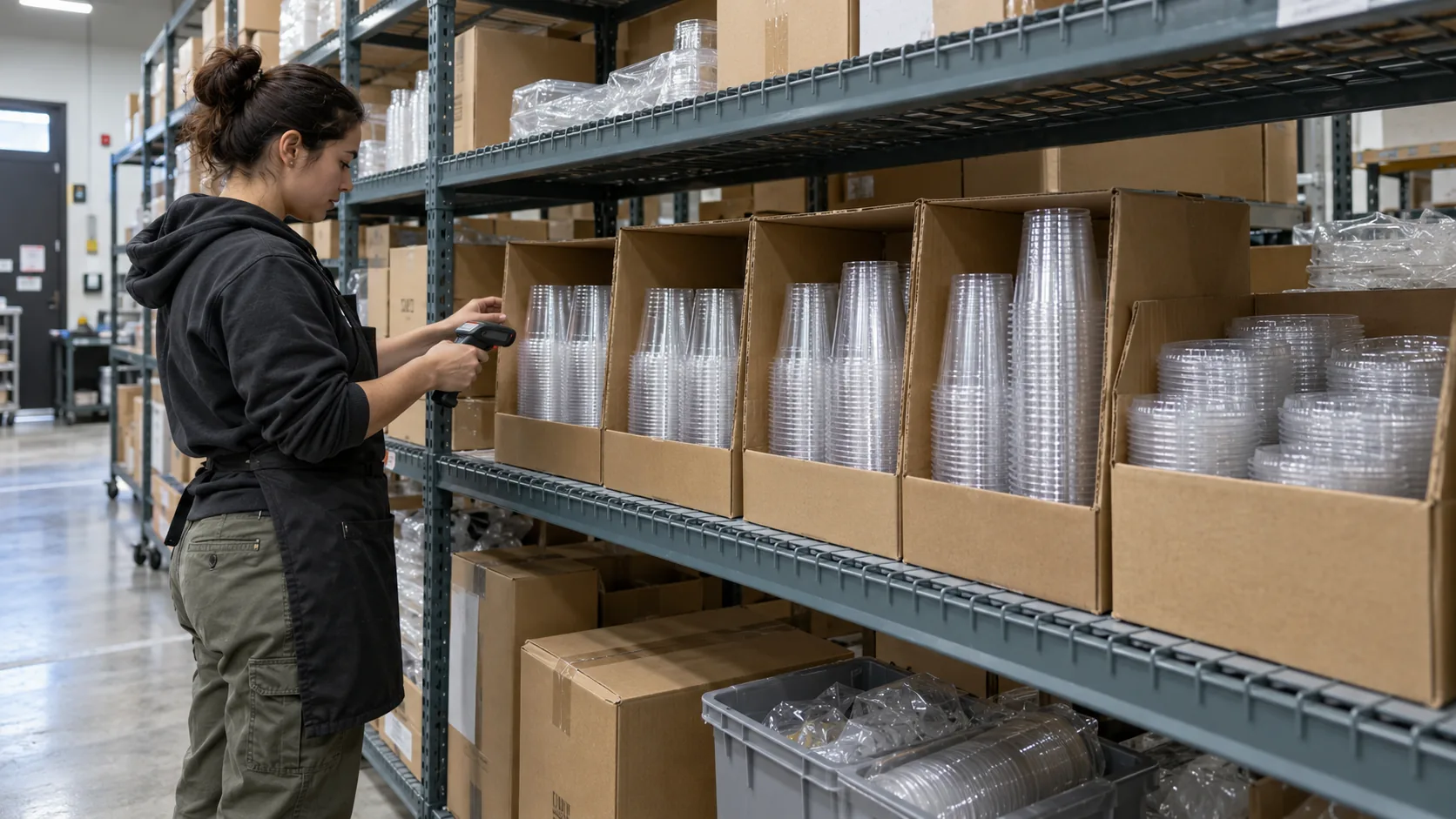
Before moving to a shared 90 caliber system, review the cup sizes currently in use and note which ones appear in high-volume drinks. A store running 12oz, 16oz, and 24oz has a different inventory picture from one using 14oz and 16oz as core sizes.
The goal is to see whether the sizes that drive most sales can share a single rim diameter, which allows fewer lid SKUs without reducing menu options.
Peak-hour usage is the real test: when ten drinks are queued, a single lid bin that fits every cup in reach reduces mis-lidding and speeds service.
If the menu includes cups from another supplier with a different rim, the shared system loses some of its benefit, which is a reason to review the full cup lineup before standardizing.
Storage space is the third consideration. A shared lid system saves counter and back-room space, and those savings matter most when storage is already tight.
A small-format store with limited back-bar area will notice the difference quickly, while a larger store may care more about reorder simplicity and avoiding a shortage of one lid size while another sits unused.
To decide whether the switch makes sense, compare three factors: the number of lid SKUs you can retire, the menu sizes that still need a distinct lid style, and your replenishment rhythm.
If most drink volume falls into sizes that share the 90 caliber rim, and the remaining sizes use another style for a clear reason, the shared system can simplify operations. If the size mix is split evenly and each size carries its own drink type, the case for standardizing is weaker.
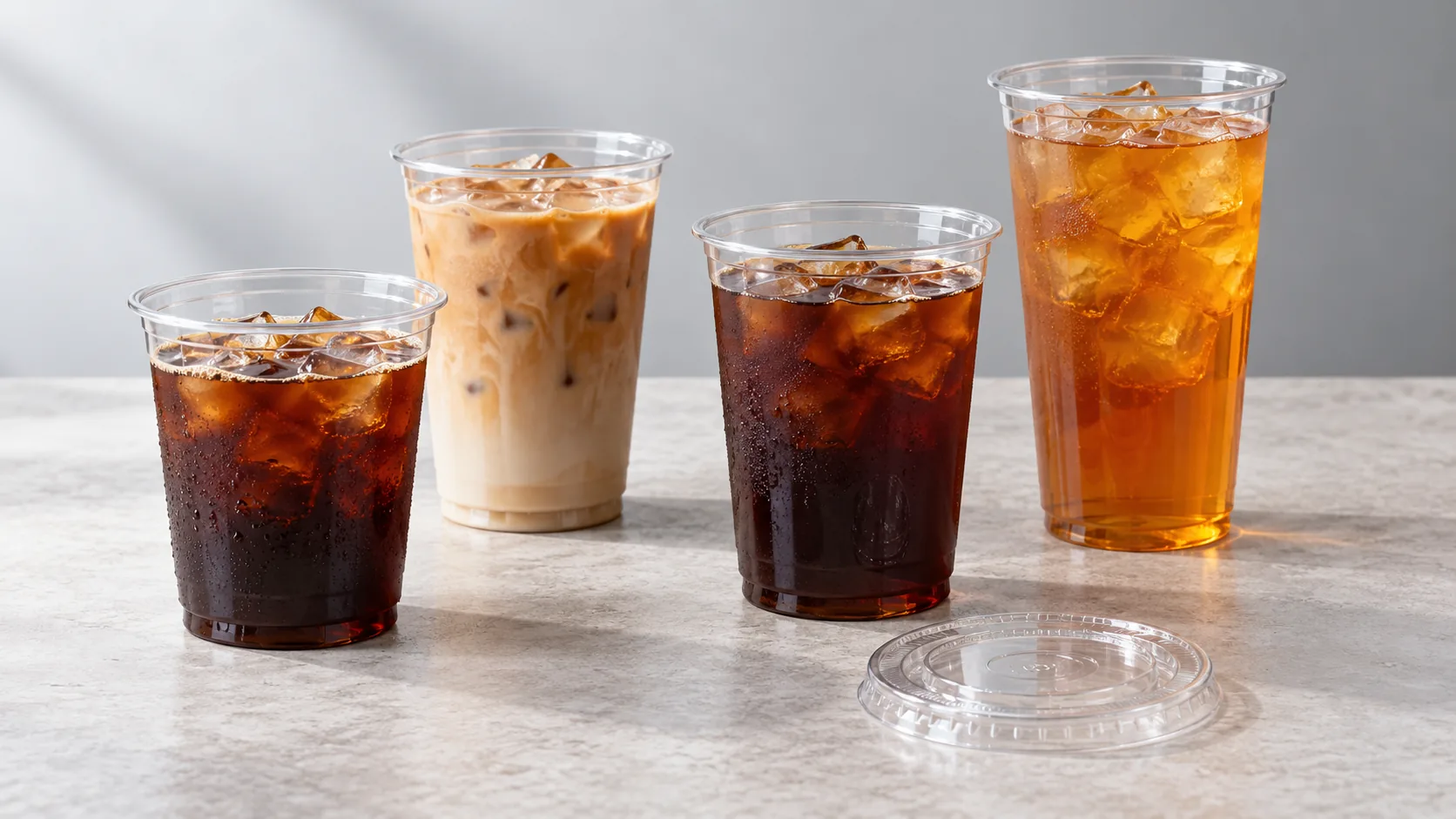
A supplier needs the cup size mix, preferred lid style or styles, current SKU format, and an estimate of monthly usage to quote accurately. With those details, the supplier can confirm whether the needed sizes are stock items or whether a custom configuration is a better fit.
Most cold cup programs offer both stock and custom-printed options, and the choice depends on volume and branding plans.
A new store testing a menu may start with stock cups and lids in the fastest-moving sizes, while a chain with an established brand identity may prefer custom printed plastic cups with lids that carry the logo across every size.
Over time, a growing operation may add custom plastic cups as its volume and branding needs become clearer.
For teams comparing wholesale plastic cups with lids, ask early whether the supplier's stock program covers all four capacities or only the most common sizes; that answer shapes how much of the menu can move to a single lid line from day one.
A supplier-ready request usually includes three internal decisions: which cup sizes the operation will commit to, which lid style each drink category needs, and whether the first order will be stock or custom.
With those settled, the buyer can ask about samples, minimum order quantities, packaging format, and lead time. That kind of request gets a faster, more accurate response than an open-ended inquiry.
The rim standard is what holds the system together, whether the goal is a stock program or a branded cup line.
Conclusion:
Standardizing on a 90 caliber lid across 12oz, 14oz, 16oz, and 24oz cold cups turns a multi-SKU problem into a single-line inventory decision.
The counter holds fewer lid boxes, staff grab the right lid more often on the first try, and replenishment planning gets simpler because one lid order covers more of the menu.
The system works best when the cup size mix is mapped first and lid styles are matched to drink types rather than forced into one format.
For these four sizes on the 90 caliber rim, At Pack Coffee offers stock and custom-printed cold cup and lid programs. A sample request or a short quote inquiry with your cup size mix and expected monthly volume is the easiest way to see how the sizing lines up with your current menu.
A:Yes. When cups are designed around the commercial 90 caliber rim, 12oz, 14oz, 16oz, and 24oz sizes share the same opening diameter. Height and body profile vary by capacity, but the rim stays consistent, so one lid fits all four. That is the operational advantage: a single lid inventory covers everything from a small cold brew to a large iced tea.
A:One lid SKU covering multiple cup sizes means the back bar and storage room hold one lid box instead of four. Replenishment becomes a single line item, staff training simplifies to one instruction, and during peak service a barista can grab from the same bin without checking cup size. The SKU reduction also lowers the risk of running out of one lid size while another sits unused.
A:Both stock and custom-printed versions are available for 90 caliber cold cups and matching lids. Stock suits new stores or fast-moving sizes during menu testing, while custom printing suits chains that want the brand on every cup size. Stock quantities, minimum order quantities, lead time, and pricing are project-specific; share your cup size mix and monthly usage to get specifics.
APR Design Guide Overview - Association of Plastic Recyclers
