
Introduction:
A successful subscription pack protects each delivery, helps customers enjoy the coffee and gives the roaster a practical system for the next dispatch.
The first subscription delivery has arrived. The customer opens the parcel, identifies the coffee and prepares a brew. A few weeks later, another delivery follows, perhaps with a different origin or an extra bag. The packaging has to make both moments work while remaining manageable for the team packing hundreds of recurring orders.
Coffee subscription packaging connects two repeated routines: dispatch at the roastery and use in the customer’s home. The outer pack must tolerate its delivery route, the coffee bag must remain suitable for the product, and the information should help the customer understand what has arrived.
Start with the subscription offer itself. Define the common order combinations, how often they change and what customers need after opening. That creates a more useful design brief than choosing a decorative box before the contents and fulfilment process are clear.
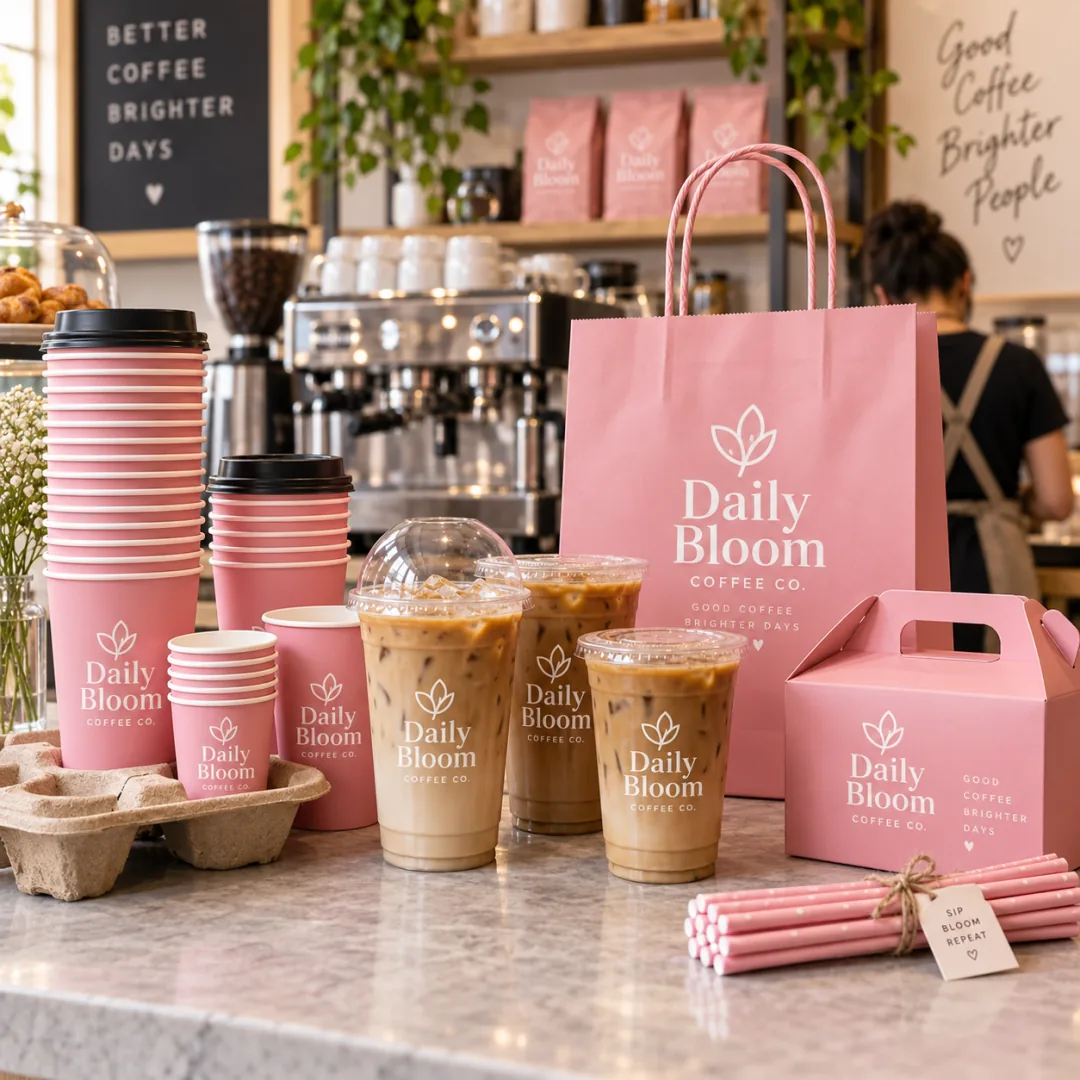
A fixed house blend subscription and a rotating discovery programme need different information systems. The first may repeat the same product for many dispatches. The second needs to distinguish each release without replacing every packaging component.
List the normal combinations: one bag, a pair of coffees, a larger household order or a gift introduction followed by regular deliveries. Record actual fill weights and finished dimensions. Include options such as ground coffee where they are offered, because identification must remain clear during picking.
Design around the combinations that genuinely occur. A single oversized box for every order may simplify purchasing while creating unnecessary space in smaller deliveries. Too many box sizes can create their own storage and selection problems. Sample packing helps find a workable balance.
The coffee bag provides the specified product protection and opening experience. The outer pack manages the physical demands of delivery. A shipping carton does not replace a suitable barrier structure, and a well-sealed coffee bag does not automatically qualify as a complete shipping package.
The National Coffee Association’s storage guidance identifies air, moisture, heat and light as relevant to coffee storage. Specify the bag against the coffee, packing schedule and expected journey, then evaluate it inside the chosen outer packaging.
If a degassing valve or resealable closure is needed, confirm how it fits the structure and customer routine. Keep the valve and seal areas from being forced into awkward folds during packing. The complete parcel should accommodate the filled bag naturally.
AT PACK’s flat bottom coffee bag range includes formats presented for subscription use, with options dependent on the project. A structured bag may give a clear presentation when lifted out of a parcel, but its filled footprint needs to fit the delivery system.
A stand-up pouch or side gusset bag may offer a different fit for the same product brief. Compare samples at the intended weight, with the actual closure and any applied label.
Do not choose the bag and shipping container in separate reviews. Approve a complete packed order, including inserts or protection that will really be used. This makes it easier to see which dimensions or features affect the customer and packing team.
Measure the bag after filling and sealing. A nominal gram capacity does not describe the parcel’s finished length, width or depth. Check how two bags sit together and whether the heavier combination changes the way the pack closes.
A corrugated mailer, carton or another suitable shipping format should be evaluated for the intended product and route. Choose adequate protection and restraint without compressing the coffee bag to make it fit. Check clearances around folds, seals and components.
UPS’s packaging guidance emphasizes appropriate containers, internal protection and secure closure. Use carrier guidance relevant to the chosen service alongside the project’s own validation. A carrier’s general advice does not establish that a particular subscription design is ready.
A pack that looks snug on a desk may behave differently after handling. Check whether bags slide, rub against rough surfaces or become trapped when the outer pack closes. Inserts and dividers should have a clear protective or organizational purpose.
The shipping label also needs a deliberate location. It should be readable, securely attached and placed according to the carrier’s requirements. Decorative print should leave enough usable space for the real label, including the longest address format the operation expects.
Review the packing action as a sequence. The team should be able to select the outer pack, position the coffee, add the correct information and close it consistently. If every parcel requires improvisation, revise the design or work instruction before scaling.
Obtain transport quotes using representative packed weights and external dimensions. Carrier pricing may depend on service, destination and the relationship between size and weight. Confirm the actual basis with the provider rather than estimating from coffee weight alone.
Compare the common order combinations separately. A format that works well for one bag may become inefficient or need a different protection arrangement for three. Record packaging cost and packing time alongside transport costs.
This comparison should preserve adequate product protection. Reducing the outer dimensions is useful when the package still performs; forcing a smaller pack at the expense of seals or handling is a poor basis for repeat deliveries.
Choose tests that reflect the intended distribution hazards. The International Safe Transit Association’s test-procedure overview distinguishes screening and simulation approaches; its 3A procedure addresses parcel-delivery shipments. An appropriate laboratory can help select the relevant procedure and samples.
Test the complete shipment configuration, including coffee, inserts, closures and the outer pack. Examine the bag and its seals after testing, not just the appearance of the carton. Define acceptance criteria before the trial begins.
A monitored shipment pilot can provide additional operational observations. Record the route, configuration and condition on arrival so that issues can be investigated. Reassess relevant configurations when changing bag dimensions, protective materials or the delivery service.
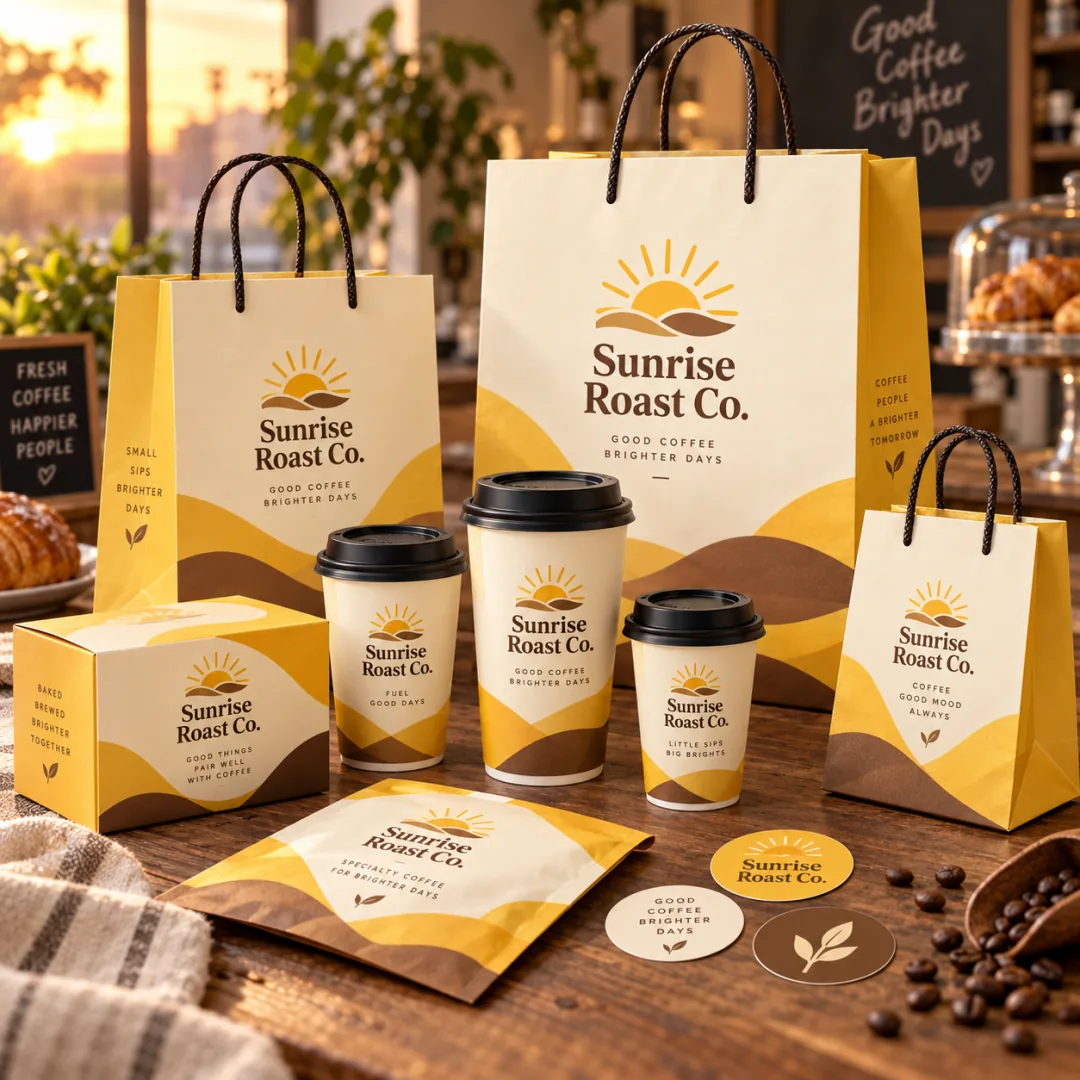
The customer should be able to tell which coffee arrived, whether it matches their chosen format and where to find the details needed to use it. Keep the product name and changing coffee information visible without requiring several layers of wrapping.
A short card can explain a rotating selection, while the bag retains the information the customer needs after the shipping pack is discarded. Give the card a purpose rather than repeating every sentence already printed on the bag.
Use a natural reading order. A first delivery may need a brief introduction to the subscription. Regular deliveries may need only the new coffee’s context and an easy route to further information. The design should support both without filling every parcel with unnecessary paper.
Ask someone unfamiliar with the pack to open a sample. Observe whether they can find the opening point, remove the coffee without cutting near the bag and understand how to reclose it if that feature is provided.
Put essential guidance where it remains useful. A brewing reference or clear storage instruction should not become inaccessible as soon as the top is removed. For a pair of coffees, ensure the customer can keep the information associated with the correct bag.
A QR code can link to a release-specific brewing page or producer story. DENSO WAVE’s QR code guidance explains the need for surrounding clear space. Test the printed code on the finished surface and maintain the linked page when the next coffee arrives.
A gift subscriber may need to understand the delivery sequence without receiving promotional material intended for the purchaser. Confirm which message belongs in the first parcel and what changes later.
Avoid hard-coding a temporary offer or month into long-lived base packaging unless the order plan supports it. A changing card or controlled label area may be more suitable for programme details that vary.
Review the opened package after ordinary transport, including the card’s position and readability. The intended reveal should still work when the contents have been handled through the delivery network.
If the pack contains a coffee bag, carton, label and insert, their disposal routes may differ. Explain the relevant actions for the market rather than describing the whole shipment with one broad environmental claim.
The FTC’s Green Guides summary addresses substantiation and qualification of environmental marketing claims. Obtain evidence for the specific materials and any recycling claim before printing it. The appearance of paper or the absence of foil is insufficient on its own.
This is also a reason to simplify where practical. Removing a decorative component can reduce packing work and disposal complexity, but evaluate the change against protection and the purpose it served.
Keep elements with a long useful life distinct from information that changes every dispatch. The outer pack and core bag design may remain stable, while coffee identity, batch details and brewing notes change through approved versions.
Define the information hierarchy once and apply it consistently. A rotating programme should let customers recognize the brand while making the new coffee easy to distinguish. Changing labels must fit and remain readable on the filled bag.
Give the fulfilment team a reference for each version. Identify which bag, coffee and insert belong together, especially when different grind options or gift orders share a packing session. Visual consistency should not make operationally different items difficult to distinguish.
Forecast packaging use from scheduled subscriptions and expected changes, including the normal mix of order sizes. Allow separately for new subscribers, replacements and operational waste using the business’s own experience.
Count empty bags, shipping packs and inserts independently. A surplus of one component cannot compensate for a shortage of another. Set reorder points against the full replenishment period and review them when demand or the packaging specification changes.
Avoid committing to release-specific packaging beyond a realistic use period. Stable printed components can support continuity, while controlled variable information accommodates new coffees without leaving unusable stock after every rotation.
Track useful operational measures such as packing time, component use, incorrect combinations and reported damage. Associate a problem with the package version and dispatch batch so the team can identify a cause.
Repeat-order rates can provide business context, but packaging is only one possible influence. Review complaints and customer comments alongside coffee quality, delivery reliability and other factors before attributing a change to the unboxing.
When discussing coffee subscription packaging with AT PACK, provide a concise brief:
Confirm which products and samples can be supplied for the project, and coordinate outer packaging with the responsible provider. Approve the complete configuration before expanding its use.
Conclusion:
Coffee subscription packaging works when the bag, shipping pack and information system support a repeated service. Protect the coffee, validate common order combinations and make the opening experience clear enough to help customers enjoy what they received.
Then build the controls that keep future deliveries consistent: stable specifications, identifiable release details and a practical replenishment plan. The result is packaging the customer can understand and the roaster can use reliably as the subscription develops.
Q: Does a coffee subscription need a custom printed shipping box?
A: Not necessarily. A suitable standard outer pack with a deliberate brand treatment may meet the brief. Compare protection, packing time, shipping cost and the intended customer experience before committing to a custom format.
Q: Can the same shipping pack serve every subscription size?
A: Only if each intended configuration has been evaluated. A pack for one bag may leave excessive movement for a smaller order or be too tight for a larger one.
Q: Is a sealed coffee bag enough protection for parcel delivery?
A: Do not assume so. The bag and outer shipping pack have different roles. Validate the complete shipment against the intended delivery route and service requirements.
Q: How can a rotating subscription avoid reprinting all packaging every month?
A: Use stable brand components with controlled areas for changing coffee information or inserts. Keep version references clear so the correct coffee, bag and message are packed together.
Q: Which checks matter before launching the packaging?
A: Review filled-bag performance, complete parcel fit, transit protection, opening, information accuracy and packing consistency. Confirm component availability for future dispatches as well as the first shipment.
National Coffee Association — Storage and Shelf Life
International Safe Transit Association — Test Procedures
DENSO WAVE — Determining the QR Code Area
Federal Trade Commission — Environmental Claims: Summary of the Green Guides
