
Introduction: A custom coffee bag can carry a brand name and logo, but printing those elements is separate from owning or protecting the trademark.
Private-label coffee packaging often moves quickly from artwork to production. A brand owner sends a name, logo, or visual design to a packaging supplier, and the supplier prepares the printed material.
That workflow makes the bag look official, but the printed appearance and the legal right behind the brand are two different things. Understanding that difference helps coffee brands use custom packaging with greater confidence.
The key question is simple: who controls the brand sign, and where is that protection recognized? The answer matters whether the package is a drip coffee sachet, a retail coffee bag, or another form of custom coffee packaging. The discussion below focuses on trademark and brand-identification rights only. It does not cover food labeling requirements, food-contact compliance, certifications, pricing, or delivery policies.
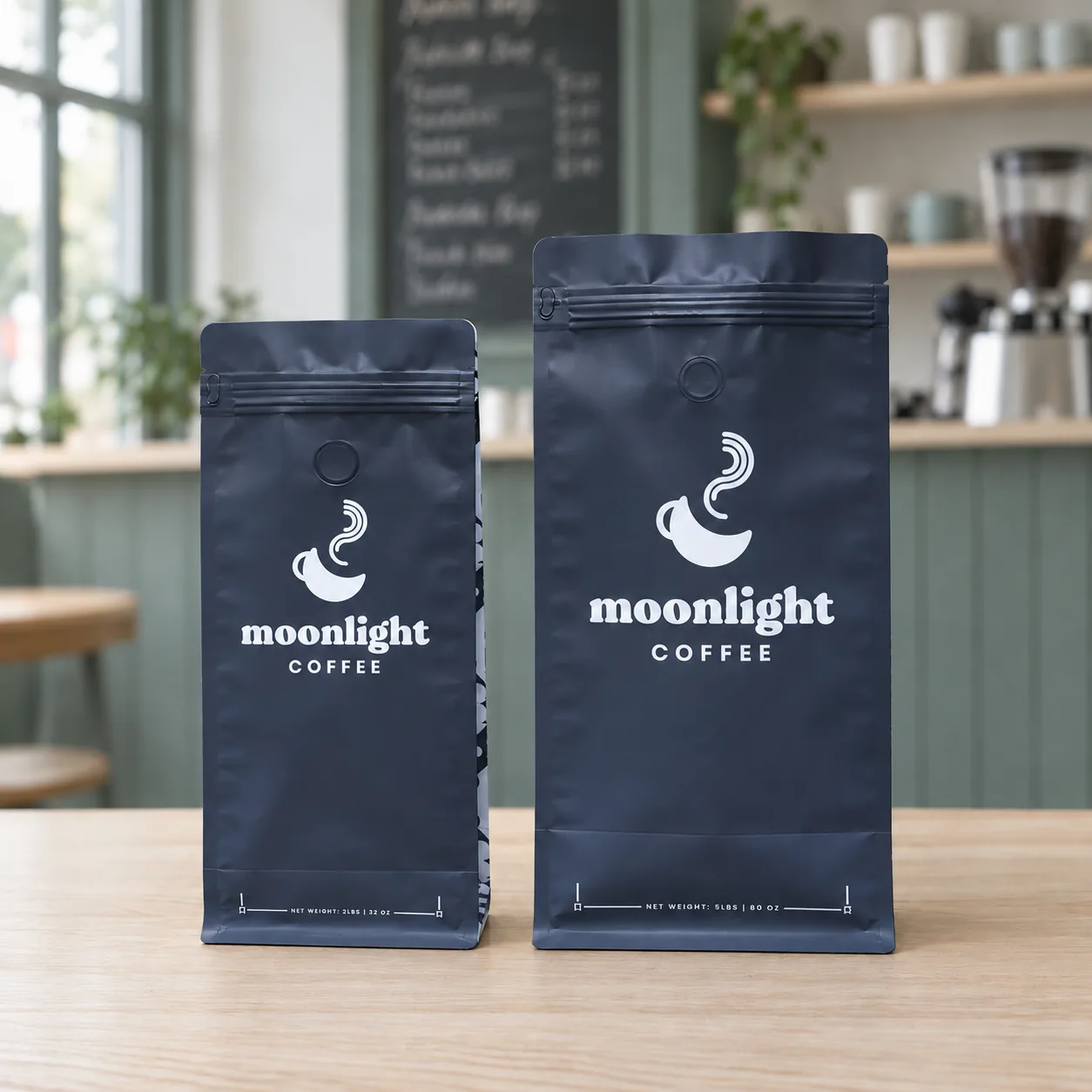
A trademark is a word, phrase, symbol, design, or combination of these elements that identifies the source of goods or services. In a coffee package, the brand name may tell customers which company roasted, supplied, or marketed the coffee. A distinctive logo can perform the same job visually. When that name or logo is printed on a bag, it becomes part of the package’s source-identifying presentation, but the printing action itself is not a trademark filing.
In a typical private-label launch, the brand owner supplies the approved artwork and the packaging supplier executes the print. The supplier may handle file preparation, material production, color application, and placement on the bag. Those are production tasks.
Trademark ownership, authorization, and registration belong to the party claiming the brand and are handled through the relevant legal process. This distinction is easy to miss because the finished package can look complete. A Custom-printed option places the private-label brand name and Logo in a visible position on the packaging, while a Stock option uses an existing presentation.
The change from Stock to Custom-printed changes the visual identity of the bag; it does not automatically create rights in the name, logo, or other identifying elements. Before production, the brand owner should therefore have a clear basis for using each protected-looking element, including artwork supplied by a designer, partner, roaster, or licensing party. USPTO guidance describes trademark registration as a process involving an application, examination, and other legal steps.
Those steps are distinct from ordering custom coffee bags. A printer can reproduce an approved design, but that service does not make the printer the brand owner, applicant, or legal representative. It also does not replace the brand owner’s responsibility to understand whether the name or logo is available for the intended goods and market. This is general educational information rather than legal advice.
Trademark protection is connected to particular territories. A name or logo may have protection in one country and a different status in another.
The goods and services covered also matter, so a coffee brand needs to consider how its mark is used: on packaged coffee, in retail sales, through subscriptions, in cafés, or across related merchandise. The same visual sign can raise different questions as a brand expands into new markets.
WIPO explains that trademarks are generally protected through national or regional systems. For a private-label coffee brand selling across borders, one domestic registration is not a universal ownership document.
The brand may need protection in additional countries or regions where the coffee is marketed and sold. The Madrid System can provide an international application route for eligible applicants, but it still works through designated territories and their applicable examination systems. In practical terms, the shipping destination and sales plan can affect the trademark work needed behind a custom printed package.
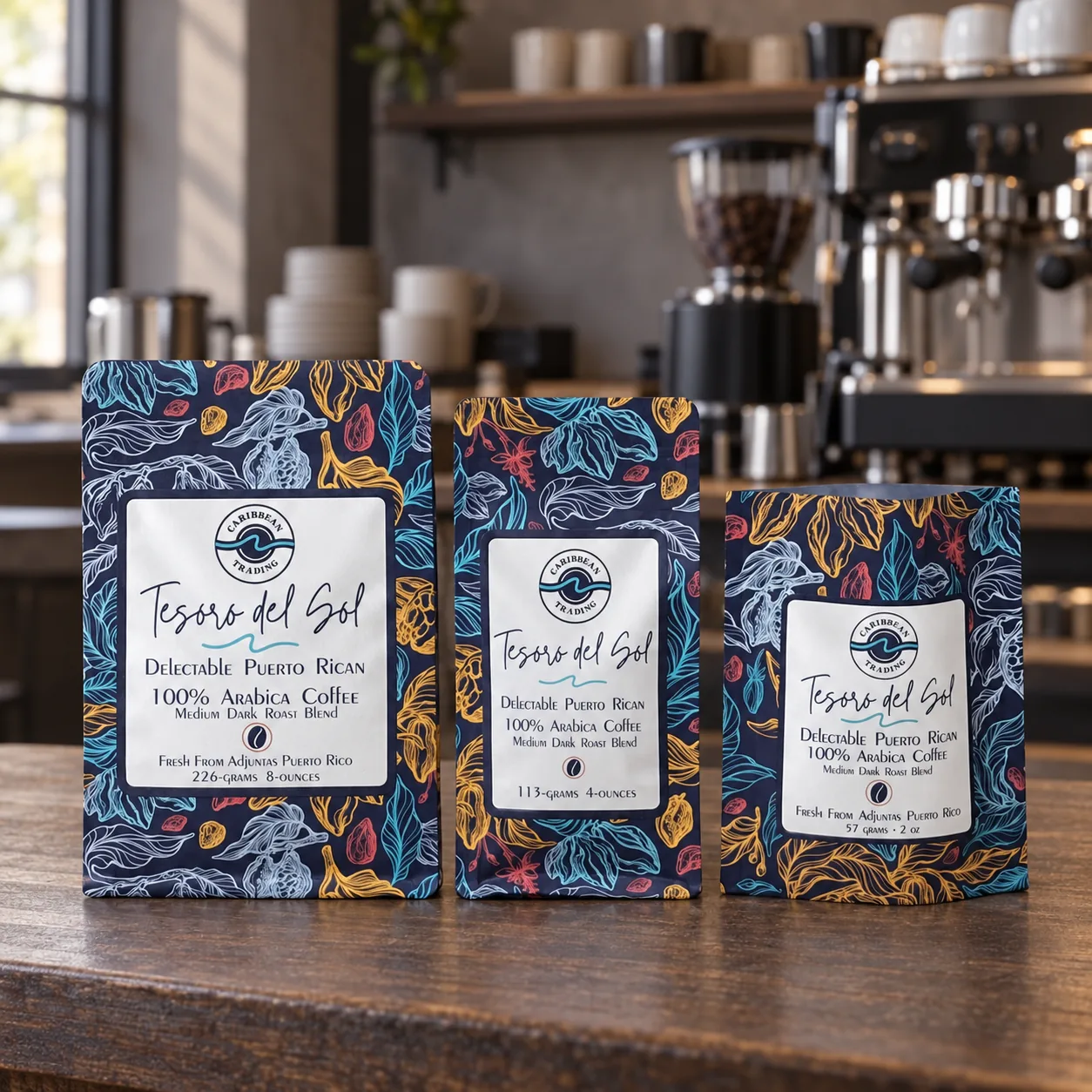
The most obvious trademark element is the brand name printed in a prominent position. Names are often the words customers remember when they reorder coffee or recommend it to another buyer. A distinctive product-line name can also identify a particular range, such as a subscription series, limited release, or single-serve coffee collection.
Whether a specific name receives protection depends on the relevant legal rules, its distinctiveness, and the goods or services claimed. Logos are another common source identifier. A symbol, monogram, illustrated character, or stylized wordmark may help customers recognize a brand before they read the full package.
A logo can appear on the front panel of a drip coffee sachet, near a seal, on a box containing multiple sachets, or on related café materials. The fact that a logo is attractive or professionally printed is not the same as having trademark rights, but its repeated use can make it central to how customers identify the brand. Other packaging elements may also deserve closer attention when they consistently signal one commercial source.
These can include a distinctive brand slogan, a recurring emblem, a special badge, or a unique combination of name and graphic treatment. Color alone is not automatically a trademark, and ordinary descriptions such as “dark roast” or “single origin” usually communicate product information rather than brand origin. The useful question is whether customers would recognize the element as identifying one source, rather than simply describing the coffee.
The surrounding design still matters, but it belongs to a different layer of brand work. Typography, colors, layout, photography, and illustration create visual consistency across custom coffee bags. They help a private-label range look connected on a shelf or in a shipping box.
That visual system is important for recognition, yet trademark rights focus on source-identifying signs and their legally protected use. Keeping these layers separate prevents a brand team from assuming that a consistent appearance automatically settles ownership of every design element. For a private-label coffee brand, the practical meaning is straightforward.
The name, Logo, slogan, and recurring symbol should be considered individually and as a combined presentation. A packaging supplier can place them on a custom coffee bag, but the brand owner remains responsible for knowing which elements it owns, which elements it has permission to use, and which elements require further legal review in the intended market.
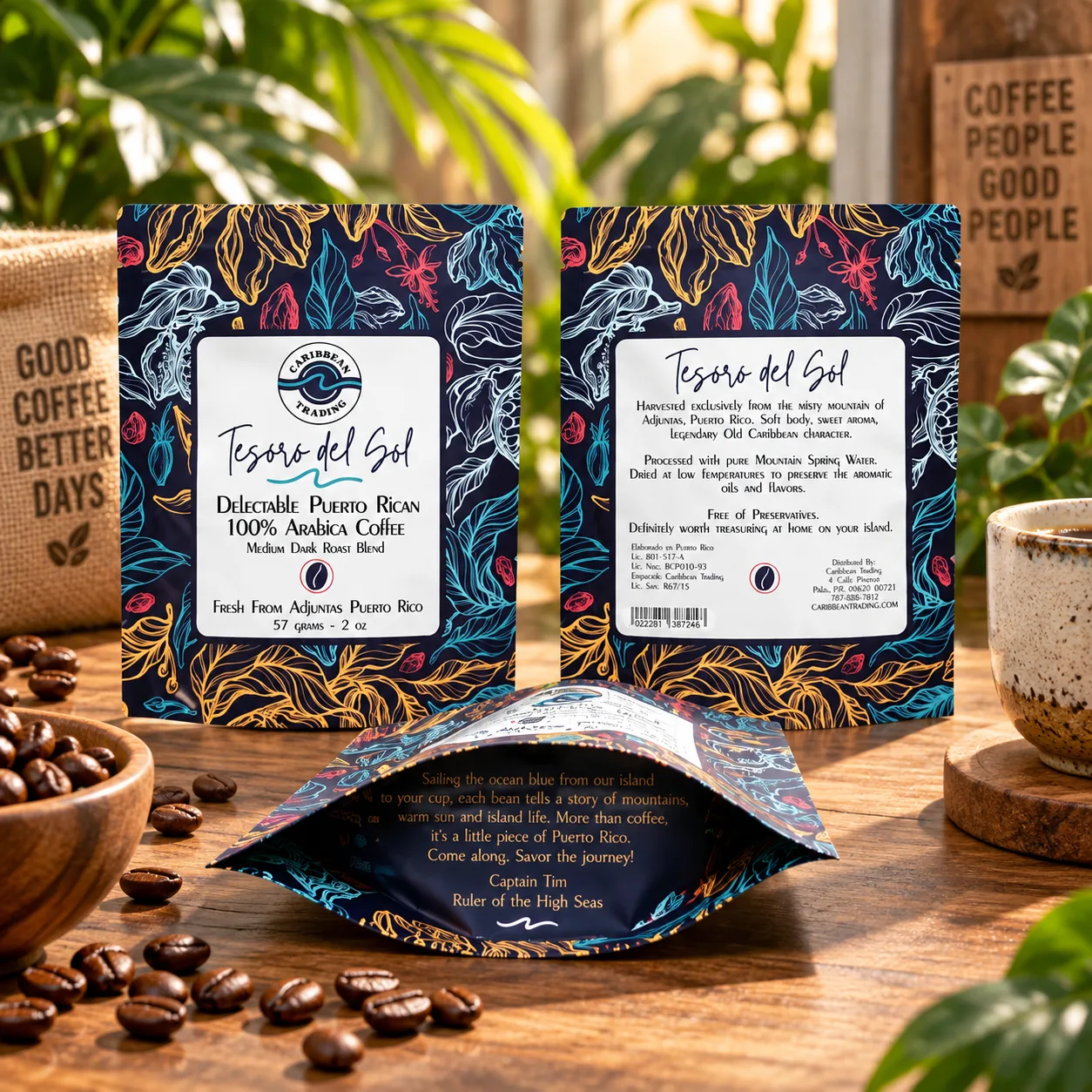
The brand owner’s responsibility begins before artwork reaches production. The first step is to identify every source-identifying element planned for the package. That usually includes the main brand name, wordmark, logo, product-line names, slogans, and any badge presented as a brand sign.
A short internal record of where each element came from can be useful, especially when the design combines agency work, creator artwork, licensed graphics, or a co-branding arrangement. The next responsibility is to connect the mark with the actual business use. A coffee company may use the same name on packaged drip coffee sachets, online retail pages, café services, subscription shipments, and promotional merchandise.
These uses may involve related but different goods or services. USPTO materials explain that trademark applications require information about the mark and the goods or services connected with it, so the filing strategy should reflect the brand’s real commercial plans rather than only the appearance of one bag. Territory should be considered at the same time.
A brand preparing to sell only in one country may begin with that market, while a brand planning distribution or e-commerce sales abroad may need a broader plan. WIPO’s trademark resources and Madrid System explain why international protection involves selected jurisdictions rather than one automatic worldwide right. This is especially relevant when packaging is printed in one country, filled in a second, and sold in several others.
A common launch observation is that the brand team owns the artwork decision while the packaging factory owns the production execution. In that arrangement, a short pause before printing can prevent a long dispute later. The brand owner can review the proposed name and logo, confirm permission for supplied artwork, identify target sales countries, and decide whether professional trademark advice is appropriate.
The printer can then work from an authorized design file instead of being asked to solve a legal ownership question through production. The AT PACK coffee packaging example fits this production distinction. Its listed Private Customization drip coffee sachet is a valve-equipped aluminium foil bag, with Stock and Custom-printed variants.
The Custom-printed version provides a visible surface for a private-label brand name and Logo. That makes it relevant to brand presentation, but the listing provides no trademark registration, authorization, or licensing information. The rights behind the chosen marks remain a matter for the brand owner to establish.
Once the rights position is understood, the same brand assets can be used more consistently across packaging and related materials. A printed bag may be one part of a wider identity system, but the legal foundation should follow the brand rather than the printer. When the brand expands, changes ownership, adds a partner, or enters a new country, the trademark position should be reviewed again so that the packaging continues to match the business’s actual rights.
Conclusion
Private-label printing makes it possible to place a brand name and Logo on a custom coffee bag, but it does not create trademark ownership. The supplier produces the package; the brand owner manages the mark, its authorization, its goods or services, and the territories where protection is sought. A clear distinction between printing, visual identity, and trademark rights helps coffee brands prepare artwork responsibly and plan international growth with fewer surprises. For the listed drip coffee sachet, the Stock and Custom-printed options describe packaging presentation, while the legal rights behind the printed brand elements must be confirmed separately.
Q:Do I need a trademark before printing my private-label coffee bag logo?
A:A trademark registration is not necessarily required before a logo is printed, but the brand owner should understand its right to use the logo and assess protection before production and sales. Printing creates packaging; it does not register the mark. Registration, authorization, and market coverage depend on the relevant country and legal process.
Q:Can a coffee bag printer register a trademark for my brand name?
A:A coffee bag printer can print the artwork supplied for a private-label order, but printing service does not transfer ownership or replace the brand owner’s trademark application. The brand owner or an authorized legal representative handles registration and related decisions. A supplier may support production while the name and Logo remain under the brand owner’s responsibility.
Q:Does a trademark on custom coffee bags protect my brand in other countries?
A:Trademark protection is generally territorial, so protection in one country does not automatically cover every other market. A brand selling custom coffee packaging internationally should review the countries where it plans to market and sell the coffee. WIPO’s Madrid System may offer an international filing route for eligible applicants, subject to the rules of each designated jurisdiction.
