
Introduction:
A successful change requires a bag that protects the coffee, works in production and has a supported recycling pathway in the market where customers use it.
A roaster wants to replace an established coffee bag with an option customers can recycle. The supplier proposes a different structure, the design team prepares a new message and everyone hopes the switch will be straightforward. Then an important question appears: where, exactly, should the customer take the empty bag?
Recyclable coffee bags need to be evaluated across the whole journey. The material must fit a relevant recycling process, the finished package must remain compatible with that process, and customers need access to an appropriate collection route. At the same time, the bag still has to protect coffee and work on the packing line.
For a roaster, the useful starting point is a defined destination market and a documented package specification. That makes it possible to assess the recycling claim, validate the coffee’s protection and introduce the new material through a controlled trial.
A structure may be designed to fit a recycling stream without being accepted in every local collection system. Collection, sorting, reprocessing and an outlet for the recovered material all affect the practical outcome.
CEFLEX’s Designing for a Circular Economy guidance addresses flexible packaging across collection, sorting and recycling. It provides a technical framework for discussing design choices. It does not mean that any coffee bag described as “designed for recycling” can be placed in any household recycling bin.
Ask the supplier to identify the intended recycling stream and the basis for compatibility. Then check the collection route in the locations where the coffee will be sold. A roaster shipping to several countries may need different instructions or separate market decisions.
Recyclable describes an end-of-use pathway under relevant conditions. Recycled content describes material already recovered and used in the package. Compostable refers to a different treatment route. None of these terms automatically establishes the others.
A paper-like surface is also insufficient evidence. A coffee bag can have a paper appearance while including other layers and components. Likewise, removing aluminium foil from a structure does not by itself establish compatibility with a particular recycling stream.
Choose the objective before comparing quotations. If the goal is improved compatibility with a defined recycling route, ask for evidence addressing that route. If the goal concerns recycled content or another attribute, assess it separately and use wording that describes what has actually been demonstrated.
Recycling systems and marketing requirements differ by location. Establish the countries or regions for the initial launch, the likely customer disposal route and any retailer requirements before printing a claim.
In the United States, the FTC’s Green Guides summary discusses qualification of recyclable claims according to access to appropriate facilities. Other jurisdictions may apply different requirements. A claim accepted for one market should not simply be copied onto every export version.
Keep the claim review connected to the sale date and actual distribution. Program coverage and applicable requirements can change. Assign someone to review the wording and supporting evidence before artwork approval and when the market or specification changes.
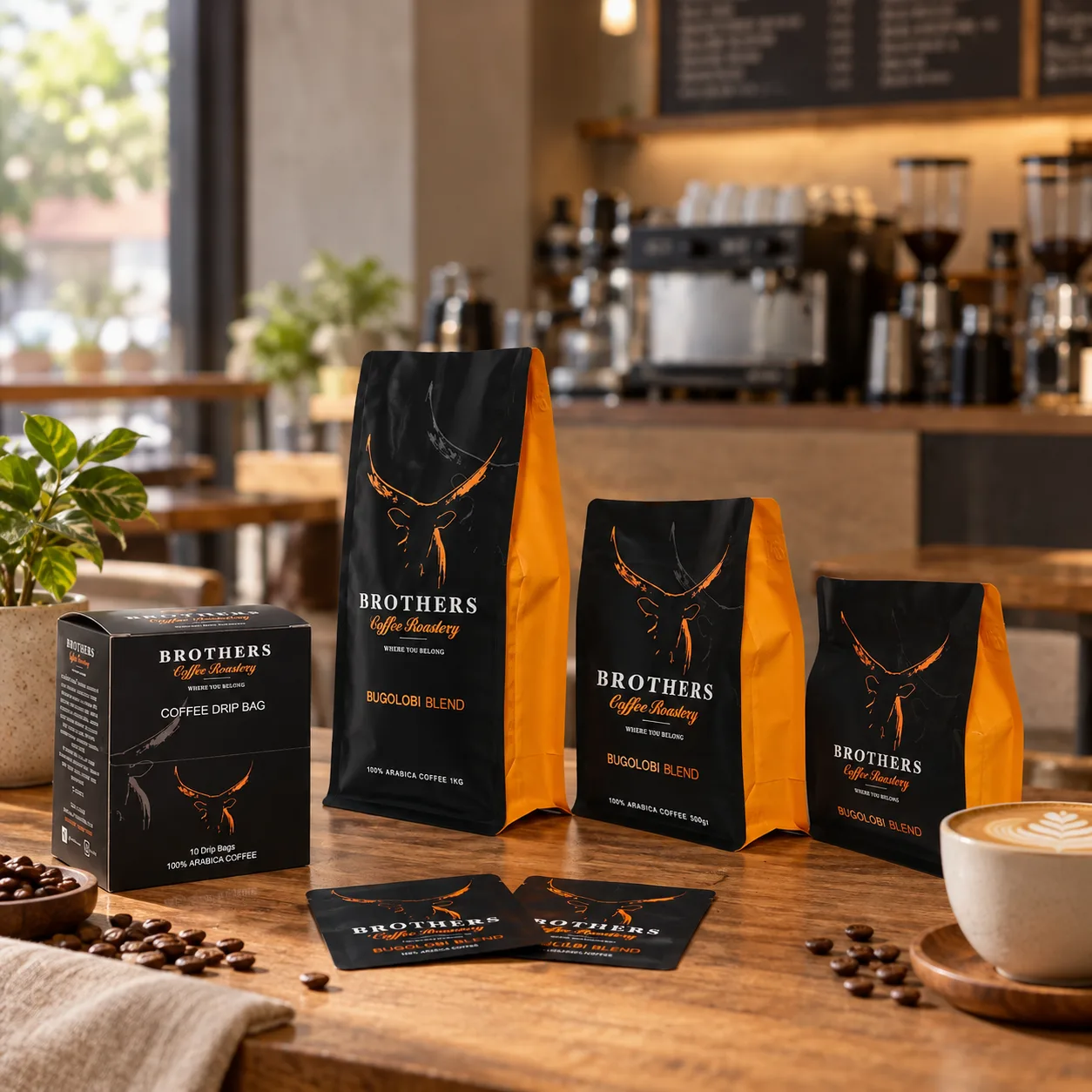
A bag may be described as PE-based, PP-based or mono-material, but the buyer still needs to know what is present in the complete package. Ask for the layer structure, relevant coatings and barrier technologies, printing system and fitted components.
Mono-material does not necessarily mean a single layer or literally one substance throughout the package. The practical question is compatibility with the identified recycling stream under the relevant assessment method.
RecyClass Design for Recycling Guidelines provide guidance on the compatibility of product features with particular recycling streams. Use the current guidance appropriate to the proposed material and market. Avoid treating one material label as a substitute for review of the actual specification.
The film alone is not the finished coffee bag. Valves, zippers, labels, adhesives and decorative treatments can affect the assessment, depending on their composition and the applicable recycling criteria.
Ask whether the supporting assessment covers the bag as supplied, including its printing and components. If a report applies only to an unprinted film, record the additional questions that remain for the finished product. Confirm whether any component must be removed and whether the proposed consumer instruction is realistic.
CEFLEX’s design choices guidance provides a useful starting point for examining packaging features. The supplier should explain how the chosen design addresses the relevant criteria, including any limits on materials or features. A later change to a label or finish should trigger a review where it affects that assessment.
Request the assessment or certification reference, its scope, date, relevant market and the specification it covers. Check whether it applies to a technology, a material structure or the completed bag. Those are different levels of evidence.
If a scheme or label is proposed, confirm the process for obtaining authorization and whether the planned design is covered. How2Recycle’s explanation of its labels distinguishes disposal designations and component-specific instructions, and describes submission of packaging specifications for evaluation.
Do not reproduce a scheme’s label from another pack or infer approval from a supplier’s general participation. Keep the applicable evidence, artwork authorization where relevant and final package specification together so that the public message can be traced to the product sold.
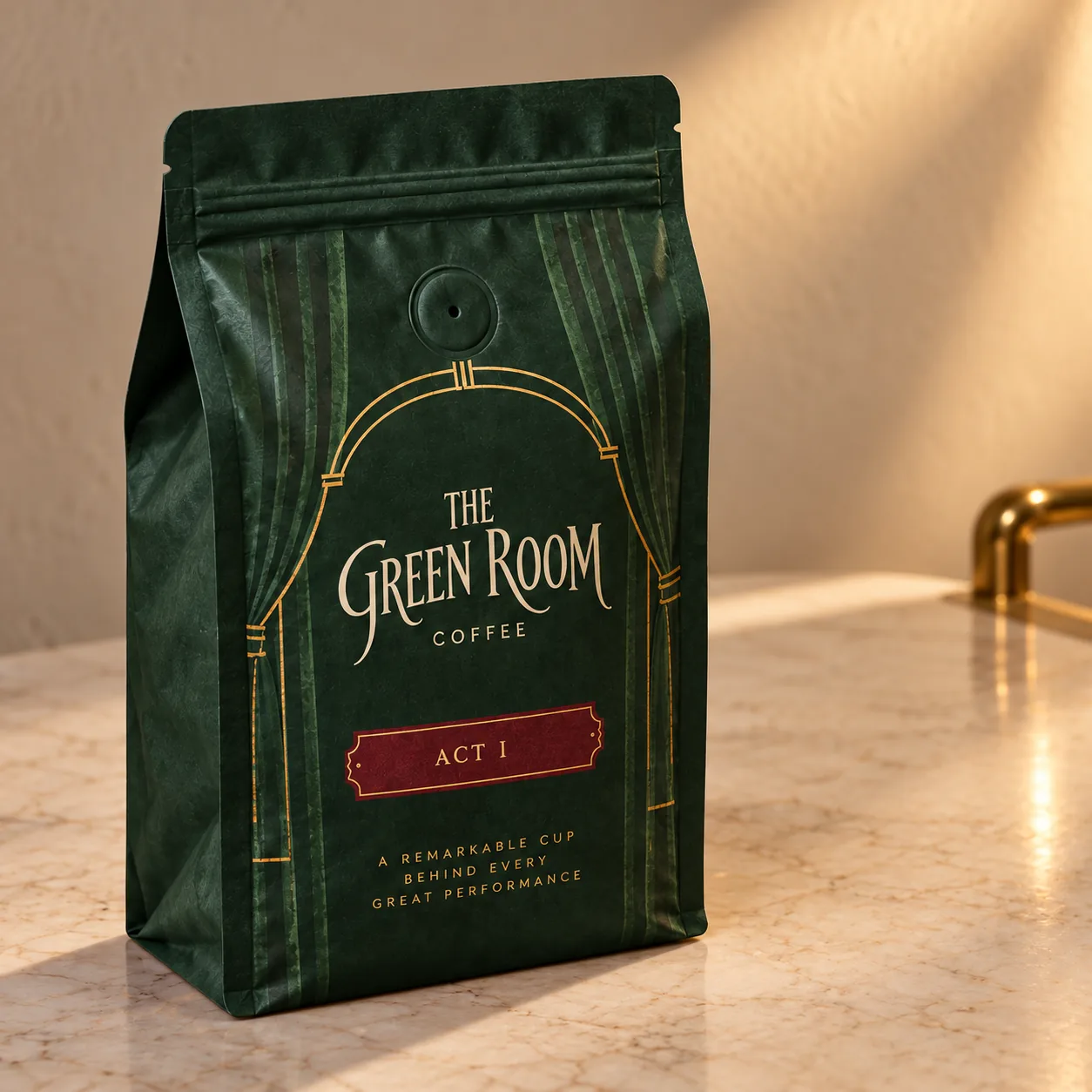
A change in structure can change performance. The National Coffee Association’s storage guidance identifies air, moisture, heat and light as relevant to coffee storage. A recycling objective should be evaluated alongside those product requirements.
Ask for oxygen and moisture barrier information for the proposed construction, including methods, units and test conditions. Compare the information with the current specification where comparable data are available. The word “recyclable” does not establish a barrier level.
ASTM D3985 is a reference method for oxygen transmission through films and sheet materials. Such measurements inform material selection, but the complete bag also includes seals and components. Use the data to design appropriate validation rather than translating a single film number directly into a coffee shelf-life promise.
A new structure may need different sealing settings or handling adjustments. Run representative samples on the intended equipment and record temperature, dwell time, pressure and other relevant operating conditions.
Check sealing consistency, opening access, zipper behaviour and the position and performance of any valve. Examine packages through the actual packing sequence, including storage in cartons and transport handling appropriate to the project. A bag that passes a brief hand-sealing check may still require further work before routine production.
If the process uses nitrogen flushing or other protective measures, include them in the trial rather than assuming the previous result will carry across. Record the coffee, fill weight and roasting-to-packing schedule so that the comparison can be interpreted.
Use representative coffee in both the current and proposed packages under defined conditions. Plan checks over the intended distribution and selling period, with sensory evaluation and other appropriate package or product measurements.
Agree acceptance criteria before the comparison begins. Include the coffees or operating conditions most likely to challenge the new structure, such as a different fill or longer route, where relevant to the business. Keep the comparison consistent enough to identify whether observed changes relate to the package.
If evidence does not support the existing selling period, investigate adjustments before switching the range. Those adjustments might concern structure, process, distribution or the period itself. The chosen solution should be supported by the resulting validation.
A recycling assessment does not establish food-contact compliance. Request evidence for the complete proposed construction and intended market, including relevant conditions and limitations.
The FDA’s food-contact component guidance and the European Commission’s food-contact legislation overview provide regulatory context for reviewing this issue. Neither source certifies a particular supplier or package.
If recycled plastic is proposed, establish the additional evidence required for its intended food-contact use. Recycled content and recyclability are separate questions, and both must be assessed without assuming that one proves the other.

Once the specification and recycling pathway are established, write a disposal instruction that fits the market. Confirm whether the bag is accepted through household collection, a specific drop-off route or another documented system. Avoid implying that acceptance is universal.
If preparation is required, state the verified steps clearly. Do not invent instructions to remove a valve, wash a bag or separate layers unless they are part of the applicable assessment and collection requirements. Customers need instructions they can follow without dismantling the package by guesswork.
A QR page can explain the material, evidence and regional differences in more detail. It should support clear information on the pack and remain maintained. Avoid broad claims such as “completely eco-friendly” when the evidence concerns only a specific recycling attribute.
Choose a product and market that can provide a useful trial. Keep the approved specification fixed during the pilot, identify the packaging lot and record packing performance, product checks and relevant customer feedback.
Compare the full cost of the transition: bags, tooling or setup where applicable, trials, artwork changes, packing adjustments and remaining old stock. Do not assume that a new structure will either increase or reduce total cost without a project-specific quotation.
Plan how older inventory will be used and how the new version will be identified. A phased introduction can help the roaster learn from actual use while avoiding confusion between specifications or disposal instructions.
AT PACK’s flat bottom bag range can serve as a starting point for discussing format, dimensions and optional features. If recyclability is a requirement, ask which specific structures can be proposed and what evidence is available. The collection page alone does not establish recyclability for every option.
A useful switch brief includes:
Before scaling up, close the gaps in both the technical evidence and customer instructions. Keep the approved structure identifiable so that later material or artwork changes can be checked against the same basis.
Conclusion:
Recyclable coffee bags can be a practical option when the complete package fits a defined recycling pathway and the coffee remains protected through its intended journey. A material name, paper-like appearance or general environmental message is not enough to establish those conditions.
Start with the target market, examine the finished construction and validate production and coffee performance. Then introduce precise instructions through a controlled rollout. This gives the roaster a defensible basis for the change and customers a clearer understanding of what to do with the empty bag.
Q: Are mono-material coffee bags automatically recyclable everywhere?
A: No. The complete design must be compatible with the relevant process, and an appropriate collection and recycling route must be available in the intended market.
Q: Does a recyclable coffee bag have to contain recycled plastic?
A: No. Recyclability concerns the package’s end-of-use pathway. Recycled content concerns material already recovered and incorporated into the package; it needs its own evidence.
Q: Can a bag with a degassing valve still be considered recyclable?
A: Possibly, depending on the complete construction, valve and relevant assessment criteria. Ask for evidence covering the supplied package and any verified preparation instructions.
Q: Can a roaster keep the existing shelf life after changing materials?
A: Only when appropriate validation supports it. Compare the new structure and complete package under relevant conditions, including packing performance and coffee evaluation over the intended period.
Q: What should a roaster verify before printing a recycling label?
A: Verify the package specification, assessment scope, relevant market, actual collection route, permitted claim wording and any scheme authorization. Recheck these when the package or market changes.
CEFLEX — Designing for a Circular Economy
Federal Trade Commission — Environmental Claims: Summary of the Green Guides
RecyClass — Design for Recycling Guidelines
How2Recycle — About the Labels and Packaging Evaluation
National Coffee Association — Storage and Shelf Life
ASTM International — D3985 Oxygen Transmission Test Method
U.S. FDA — Regulatory Status of Food-Contact Material Components
European Commission — Food-Contact Materials Legislation
